The Future of Pittsburgh History
As the nation marks its 250th anniversary this year, the importance of understanding our shared past has never been clearer. Here in Pittsburgh, that moment of reflection is taking shape in a tangible way, as the Senator John Heinz History Center is set to embark on a major expansion that reflects the organization’s remarkable evolution and reaffirms its national recognition as the #1 History Museum in America and the Smithsonian’s model affiliate.
It might come as a surprise to native Pittsburghers that the Heinz History Center’s roots stretch back nearly two centuries, making it the city’s oldest cultural institution.
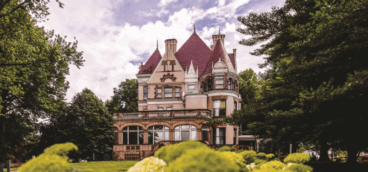
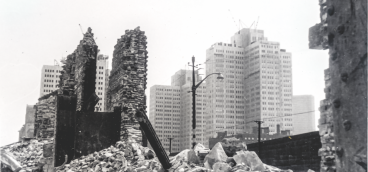
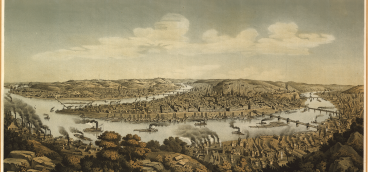
Founded in the 1830s as the Historical Society and Library of Pittsburgh, the organization lost its earliest collections in the city’s Great Fire of 1845, only to be reborn in time for the Fort Pitt Centennial celebration in 1858. After periods of dormancy, interest in the institution was renewed in 1879 for the 150th anniversary of the French and Indian War, when the “Old Residents of Pittsburgh and Western Pennsylvania” established the “Historical Society of Western Pennsylvania.”
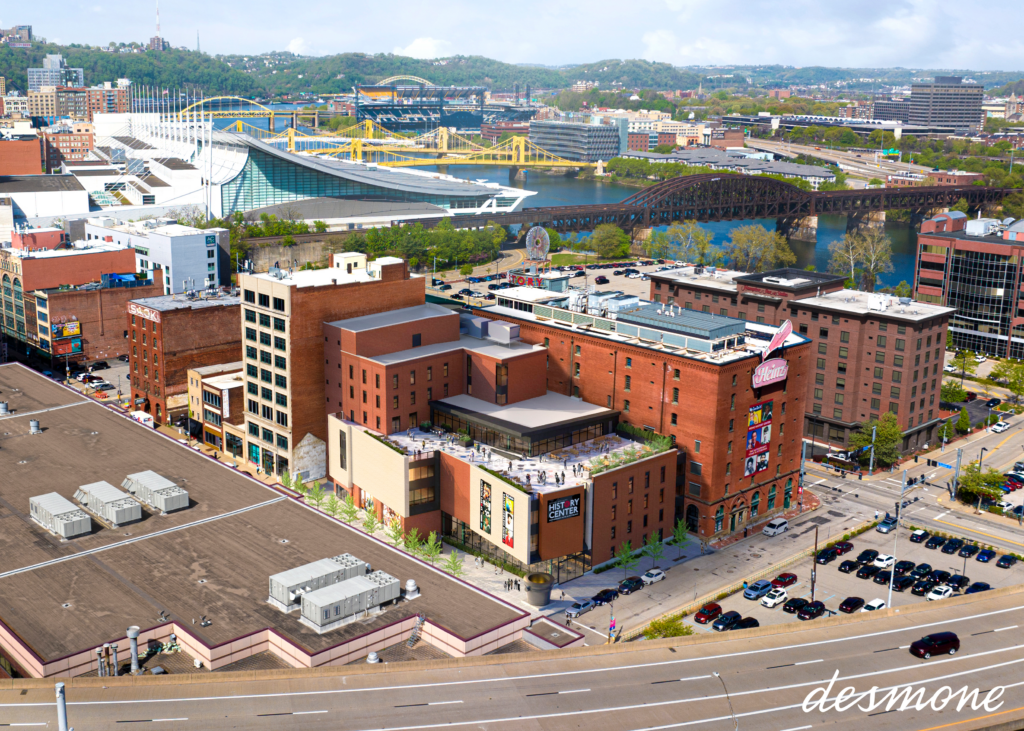
In 1996, the Historical Society rebranded itself as the Senator John Heinz History Center, moving from its old quarters on Bigelow Boulevard in Oakland to its new home on Smallman Street, next door to the David L. Lawrence Convention Center in the Strip District.
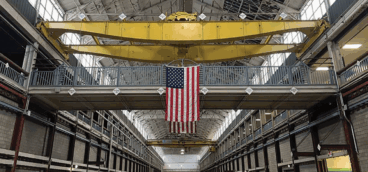
With community and local foundation support, trustees and staff worked tirelessly to rehabilitate the seven-story Chautauqua Lake Ice Company warehouse for use as a history museum. Funds, however, ran out before the project could be completed. With no endowment, the operating budget was lean, and, by 1998, only one exhibit had been installed.
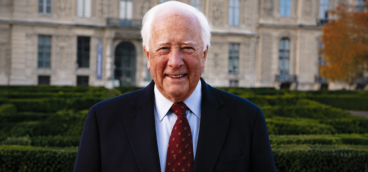
David McCullough, native Pittsburgher and America’s favorite historian, worked with History Center trustees and fundraisers to win support for the project. New leadership and staff reorganization followed. That’s when Andy Masich was recruited from the Colorado Historical Society in Denver.
We engaged with 100 community leaders and forged strategic alliances with the Smithsonian Institution, the Pennsylvania Historical and Museum Commission, and many regional partners. Working closely with Pittsburgh’s diverse communities, History Center curators expanded the collections. Entire museums were absorbed, including the Westinghouse Museum, Pittsburgh Police Historical Association, and the Meadowcroft Museum.
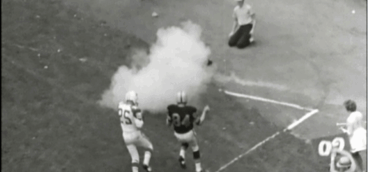
We added the Western Pennsylvania Sports Museum (recently renamed the Franco Harris Sports Museum, in honor of the universally loved Steelers Hall of Famer), and the Smithsonian Wing to feature blockbuster exhibitions such as Vatican Splendors and Destination Moon: The Apollo 11 Mission.
Today, the History Center — known nationally as the “Smithsonian’s home in Pittsburgh” — has grown into Pennsylvania’s largest history museum and USA TODAY’s #1 History Museum in America (three years in a row!). The museum houses the Library & Archives with its renowned Rauh Jewish Archives and recently acquired David McCullough Collection. Its family of museums includes the Fort Pitt Museum in Point State Park and Meadowcroft Rockshelter and Historic Village in Washington County. Each year, more than 350,000 visitors connect with the stories of innovators, explorers, artists, heroes, and everyday people.
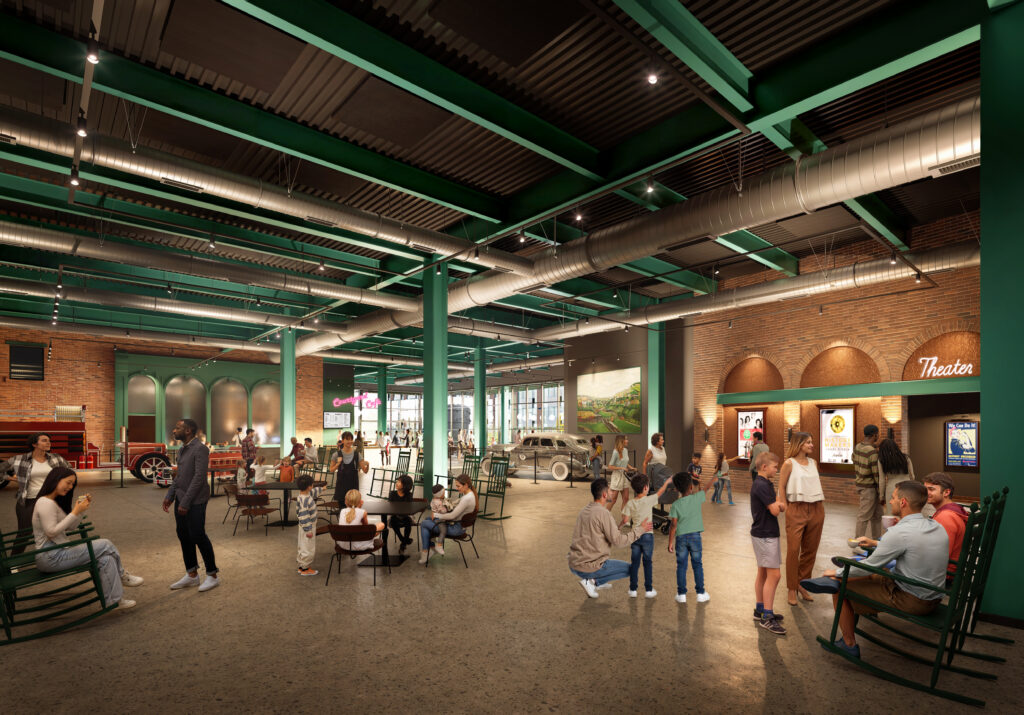
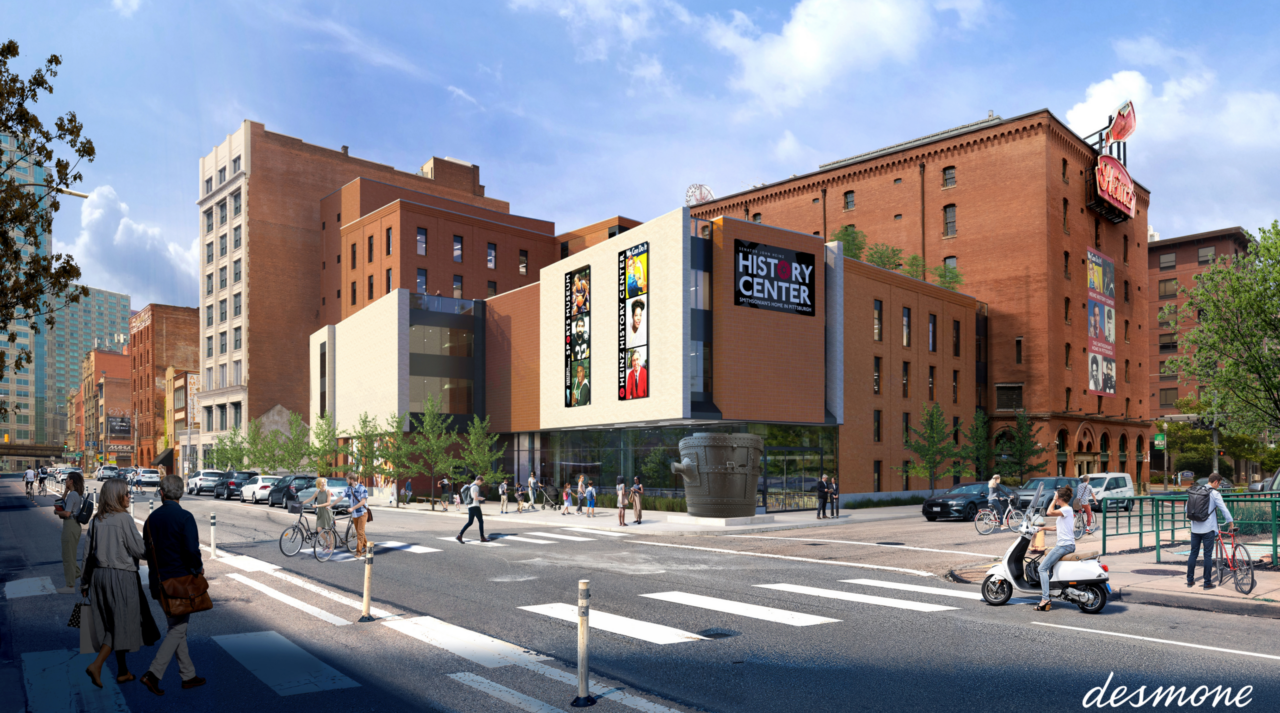
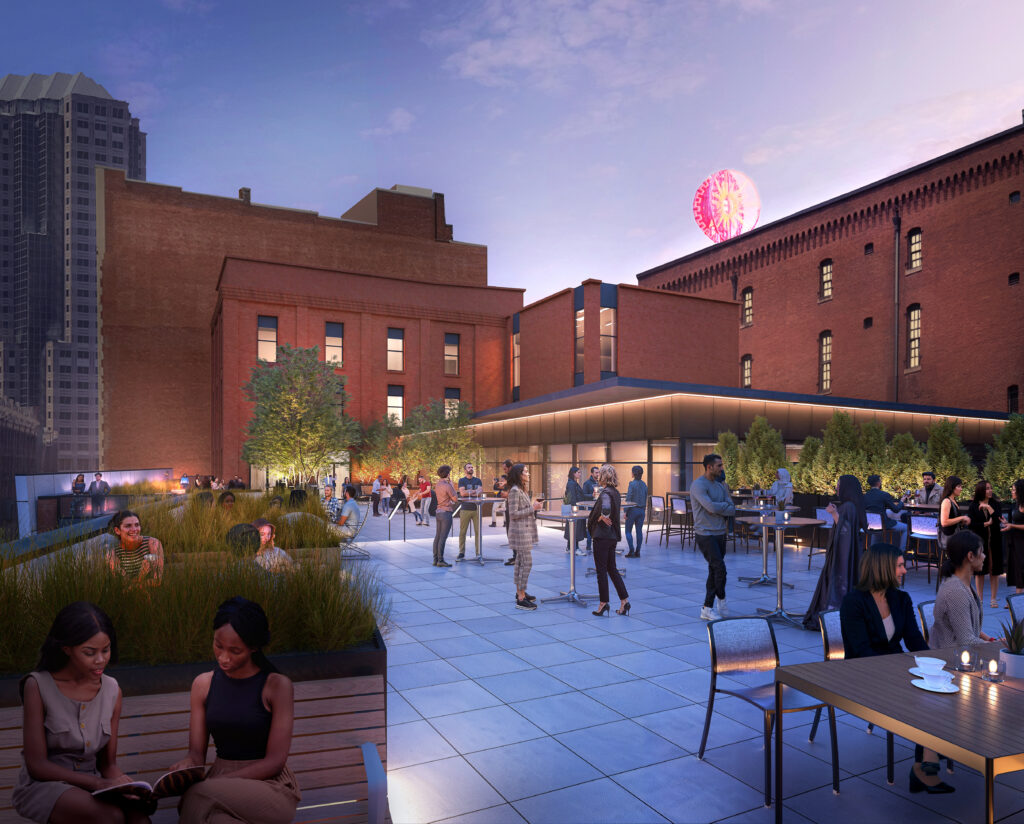
Now, to better serve those growing audiences, the History Center is undertaking a major campus expansion that will encompass a full city block in the Golden Triangle between Penn Avenue and Smallman Street, from 12th to 13th Streets. The 92,000-square-foot addition will introduce new exhibition galleries (Mister Rogers, Three Rivers, Innovation & Industry), a café, and expanded public programming space, while doubling the size of the first-floor Great Hall and outdoor terraces.
A new 150-seat theater on the first floor will be a flexible space for programs and film screenings. Educators and curators are working with tourism partners to develop a film that will answer often-asked questions: Why is Pittsburgh here? Why are we the way we are? How will Pittsburgh reinvent itself in the future?
The expansion will include the Museum of African American History, a new museum-within-a-museum dedicated to exploring the black experience and its essential role in shaping our region and nation. Thanks to the Kamin “Free for Kids” Initiative, young people aged 17 and under are always admitted free at the History Center, Franco Harris Sports Museum, and Fort Pitt Museum — including school groups.
The coming improvements also include a new Penn Avenue Plaza, featuring large outdoor artifacts such as a gigantic Civil War cannon and World War II-era steel ladle. Future plans include a second phase featuring an history-themed hotel.
Pittsburgh’s oldest cultural institution has come a long way since its humble beginnings, but its mission has never changed. The History Center is about community pride and civic engagement, enabling people to learn from the past and make good decisions in the future.