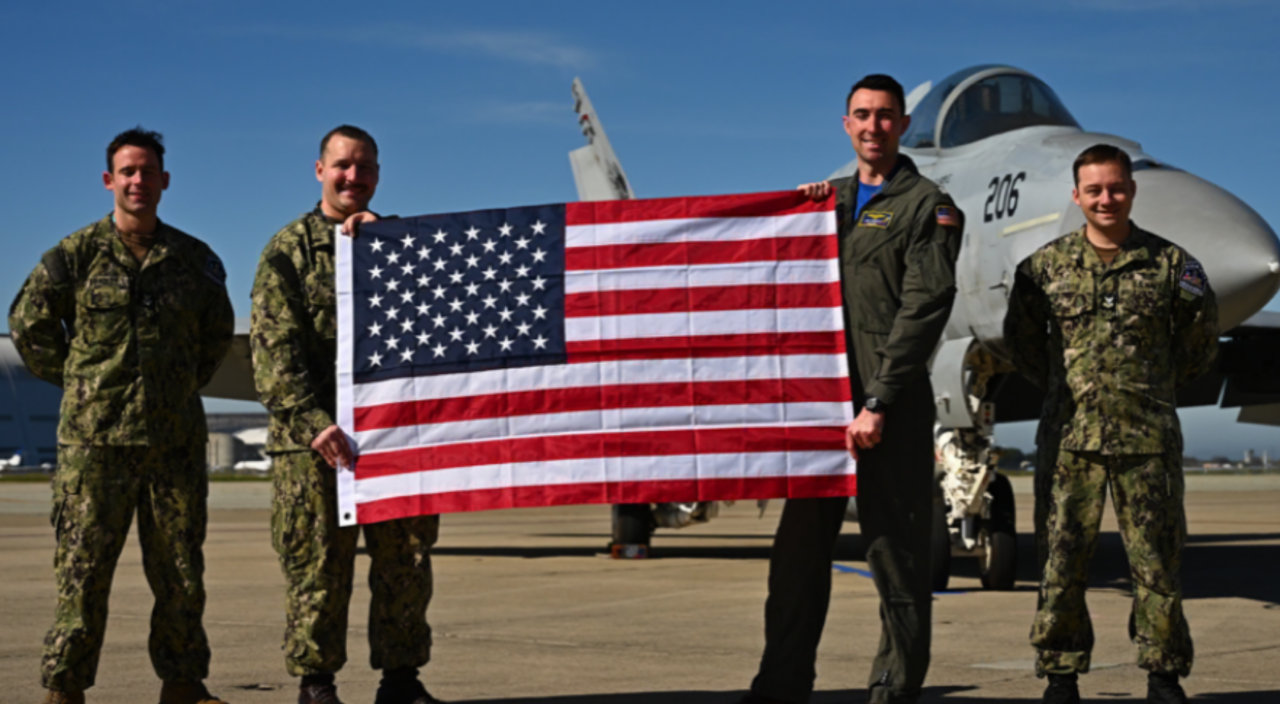
Flag Sojourn: America 250 Will Commemorate Western Pennsylvania’s Role in the American Revolution, Industrial Revolution and Technology Revolution, Marking the Nation’s 250th Birthday
Here’s a bold statement to ponder as Americans prepare to celebrate the 250th birthday of the country’s declaration of independence from the British on July 4, 2026: Without Pittsburgh, maybe there’s no American independence.
THIS ISN’T HYPERBOLE
The fight with the French for control of the invaluable land at the confluence of our three rivers was won for the British by John Forbes, George Washington and the colonists under their commands. Emboldened by this victory, these same colonists stood up against the crown when King George not only turned around and taxed them to pay for the war they had won for the British but also forbade them from staking claim to land west of the rivers that the soldiers thought that they had earned with their military service.
This fiery tension ignited the Revolutionary War, and on July 4, 1776 — some 20 years after Britain’s Fort Pitt replaced France’s Fort Duquesne at what is now Point State Park — the colonists declared themselves an independent nation.
Now this July Fourth, Pittsburgh will celebrate our pivotal role in the American Revolution when a U.S. flag that has been flown around the world to commemorate the founding of the country makes its second-to-last stop in our region.
By the time the flag arrives in Pittsburgh on July 1, it will have been flown in every state, U.S. territory and cemetery around the globe where fallen American veterans are buried. Its year-long trek, Flag Sojourn: America 250, was the brainchild of the National Flag Foundation, a Pittsburgh-based organization with a mission to educate the public about the American flag and honor those who served to protect it.
“The sojourn is a quiet tribute to the relevance of the flag,” said Romel Nicholas, a principal attorney with the firm Gaitens, Tucceri & Nicholas, and the volunteer chairman of the nonprofit, apolitical National Flag Foundation.
AN ORDINARY FLAG
What’s significant about this flag is its insignificance, Nicholas noted. It hadn’t draped a soldier’s coffin. It wasn’t blessed by the pope. There’s not a celebrity involved. It’s just an ordinary, five-by-eight-foot cotton flag, one like anyone can buy and fly on their porch at home. Without much fanfare or widespread publicity, the flag has been safely, reverently shepherded from place to place by UPS in the air and by members of the National Sheriffs’ Association on the ground in the states. “The flag is its own celebrity,” Nicholas said.
While in western Pennsylvania, the sojourn flag will symbolize Pittsburgh’s impact throughout American history — from the origins of the American Revolution at Point State Park, to the forging of the Industrial Revolution in our factories and steel mills, to the startups that seeded our digital revolution.
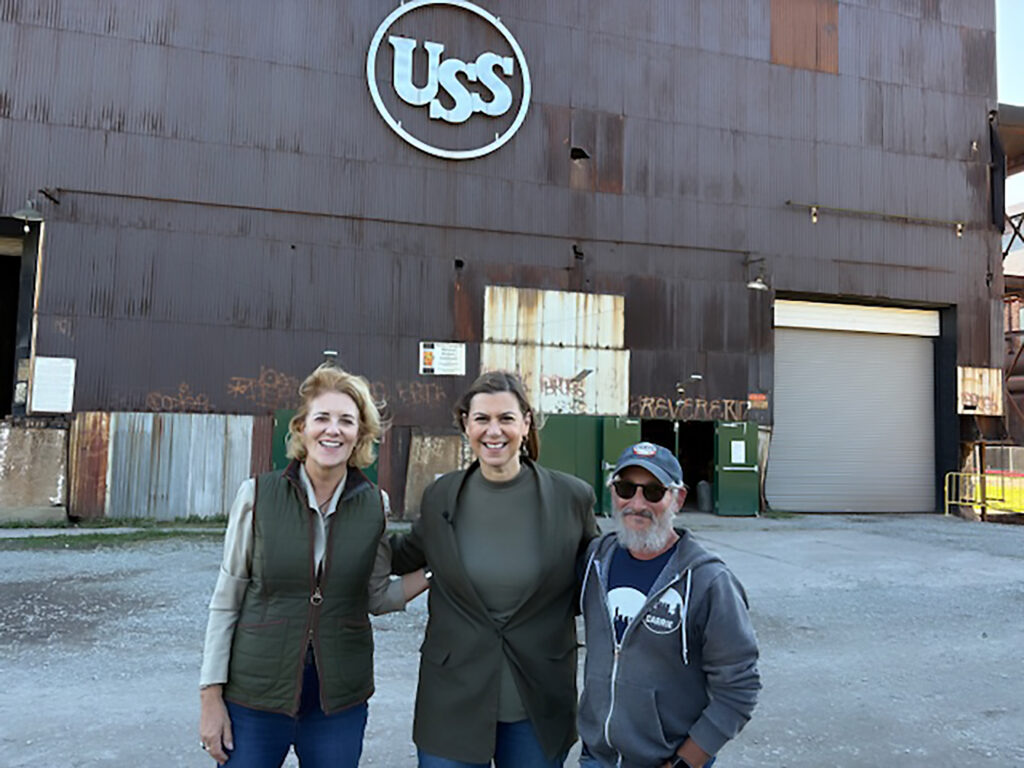
When the U.S. Senator from Michigan Elissa Slotkin (center) toured the Carrie Blast Furnaces, the historic landmark on the site of the former U.S. Steel Homestead Works, she told Rivers of Steel CEO Mary Murrin (left) that she wanted to visit because “Detroit wouldn’t be Detroit without Pittsburgh.” Also pictured: Rivers of Steel Vice President of Archives and Facilities Ron Baraff. Photo credit: Campaign of Senator Elissa Slotkin
“All the vibrancy that exists here today is a result of this being a place where people flocked to and brought their values, traditions and beliefs three centuries ago,” said Emily Balawejder, director of marketing and communications for Rivers of Steel. “This same spirit that brought families and individuals across an ocean to do unbelievably dangerous work back then still exists in our economy and our pride.”
FROM LIGONIER TO THE THREE RIVERS
Once the flag arrives at the UPS Cargo Bay at Pittsburgh International Airport on the afternoon of July 1, it will make its way to Fort Ligonier, which is opening a new exhibition on the Fourth of July weekend, Road to Revolution, to commemorate the country’s Semiquincentennial.
Fort Ligonier in Westmoreland County is key to Pittsburgh’s role in the American Revolution. On separate occasions, both Washington and General Forbes launched from Fort Ligonier via different routes to confront the French for control of what was then known as the Forks of the Ohio. The confluence of the Allegheny, Monongahela and Ohio rivers was the most valuable real estate in the interior of North America in the mid-1700s.
Fort Ligonier was also the site of a devastating friendly-fire skirmish, in which George Washington lost more than a dozen men on a foggy November night when two British regiments converged, each thinking the other was the French. This and another unsuccessful battle at Fort Necessity in Fayette County sharpened Washington’s military prowess and ultimately steeled his confidence to lead the new nation.
That’s why Pittsburgh’s story is America’s story. So, the next time you’re barreling through the Fort Pitt Tunnel to Downtown, criss-crossing the Fort Duquesne Bridge to a ball game, or traversing Route 30 toward Fort Ligonier to leaf-peep in the fall, remember those who came before us and blazed the trail to the independence we enjoy as Americans today. Happy birthday, America. Land of the free, and home of the brave.

Beth Marcello, based in the South Side Slopes, is a writer, consultant and advocate for women.