50 Leaders Give Their Rx for Pittsburgh Mayor Corey O’Connor, Pt. VI
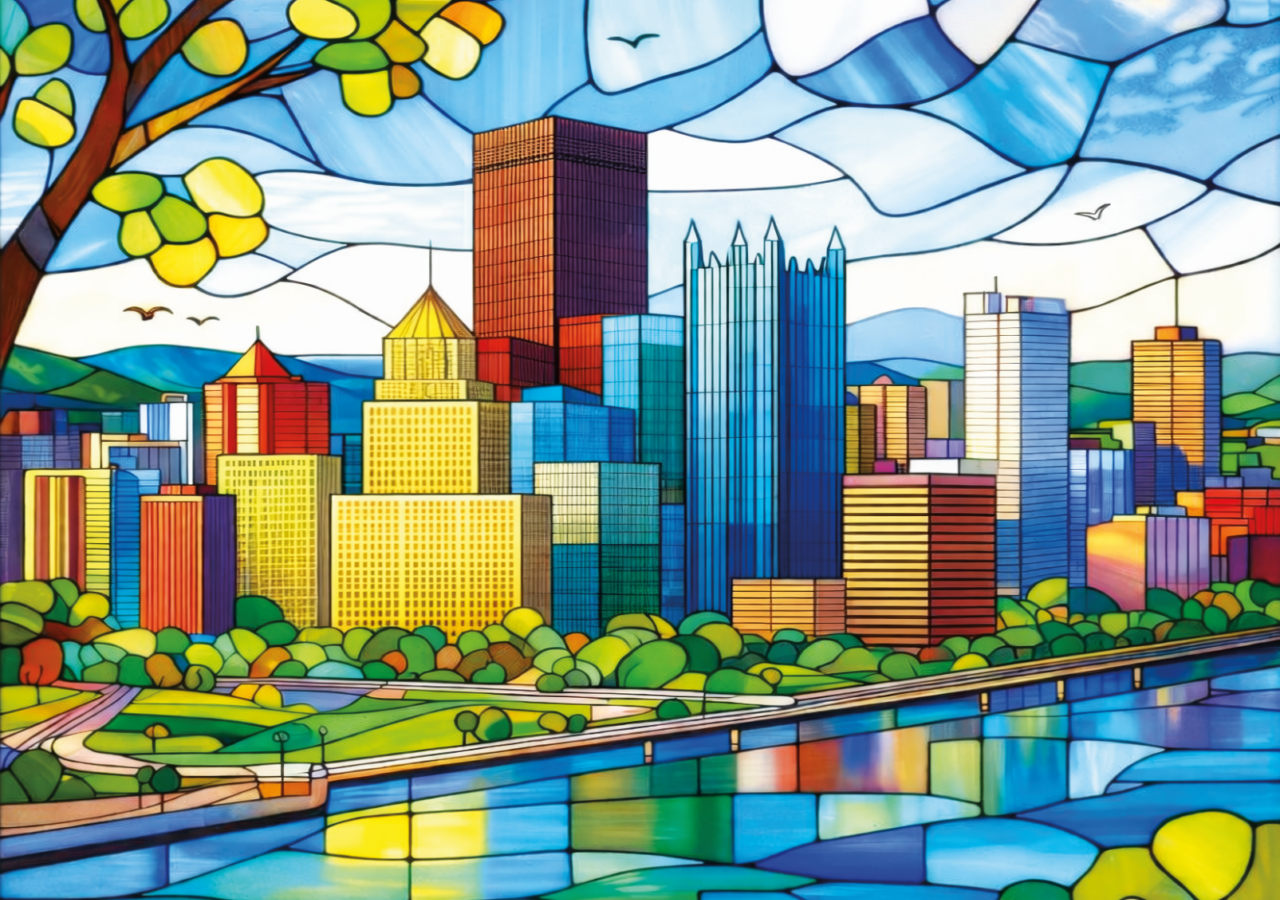
Editor’s Note: We asked Pittsburgh leaders to give their prescriptions for Mayor Corey O’Connor on how to build a bright future for Pittsburgh. Their answers follow.
Previously in this series: 50 Leaders Give Their Rx for Pittsburgh Mayor Corey O’Connor, Pt. V
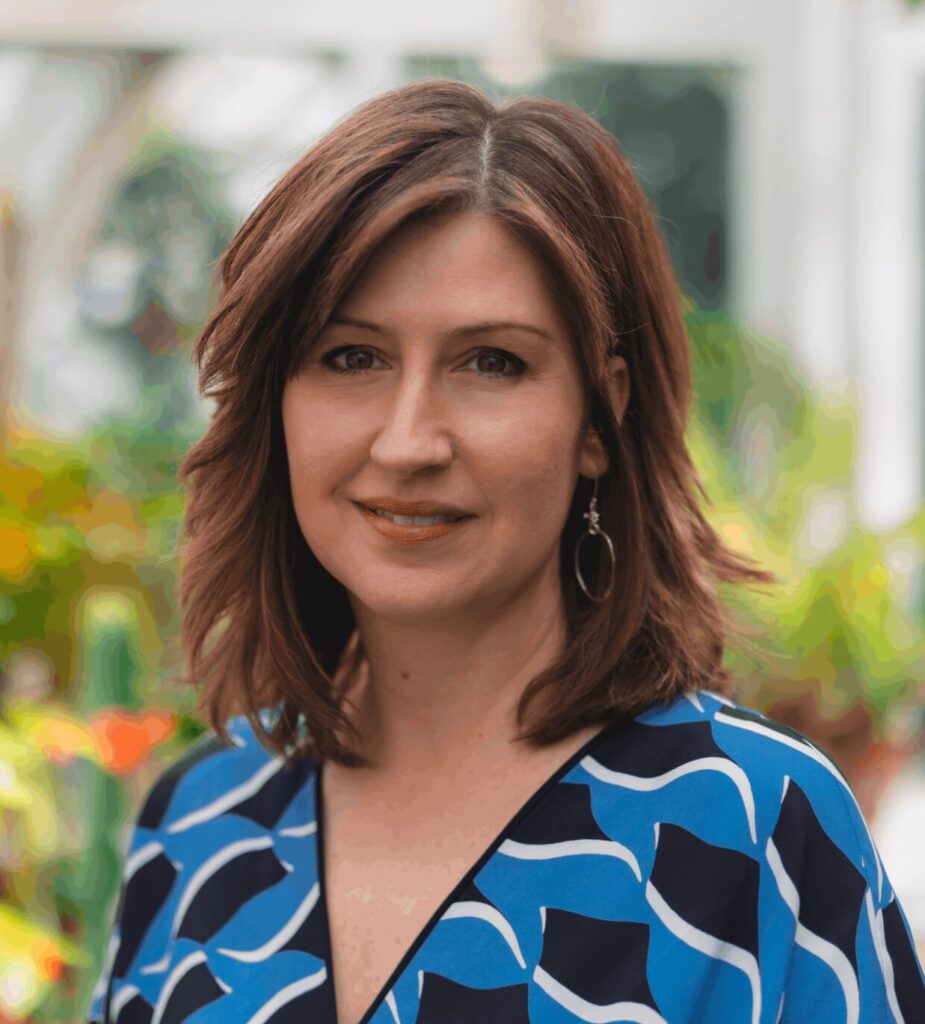
Amanda Gillen, Executive Director, The Frick Pittsburgh Museums & Gardens
To me, the heart of Pittsburgh lies in its storied history of innovation and industry — both of which are honored and thoughtfully captured through our countless cultural institutions. Newcomers to our city may initially think of Pittsburgh as the home of the Steelers or as a rugged Rust Belt town, but over time, they come to learn that the city is also an incredible place to experience history and art. Beyond contributing to the social fabric of our shared home, the arts and history organizations are major economic drivers and critical to our city’s future success.
My prescription for our new mayor is simple: treat arts and history as essential infrastructure. Cultural institutions are economic engines, workforce attractors, and anchors of civic pride. They tell the stories that explain who we are and why this place matters, locally and globally. They help us understand who we are and who we want to be.
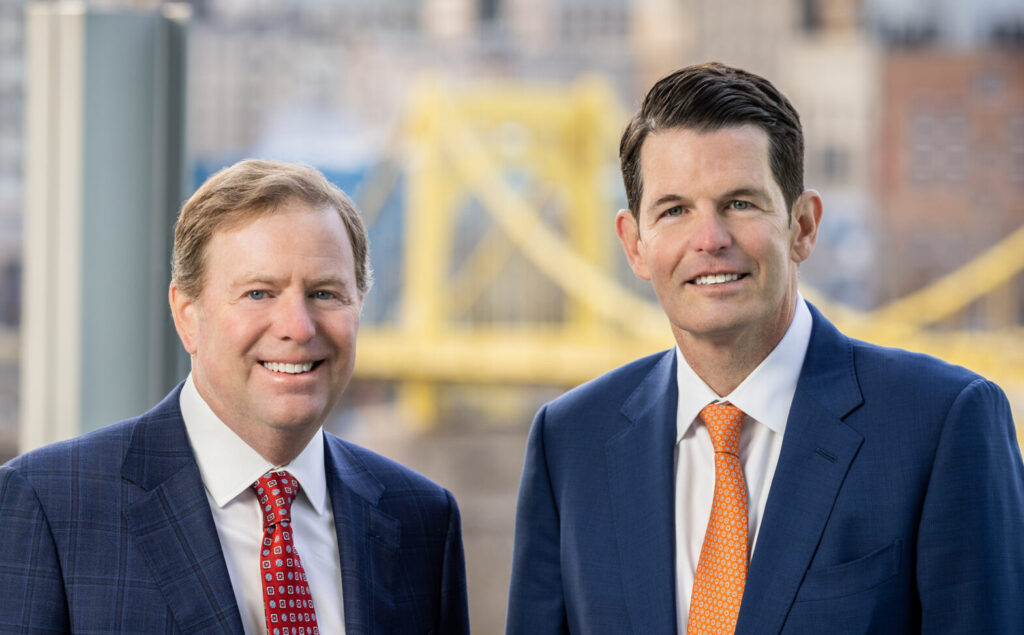
Tim O’Brien and Jake Ploeger, Co-CEOs, PJ Dick-Trumbull-The Lindy Group
There is a renewed sense of excitement across the city following the election of Mayor O’Connor. His victory has energized residents, businesses and community leaders, giving us a sense of pride and a positive outlook on the city’s future, and we are eager to see that momentum turn into action. The new administration must clearly signal that Pittsburgh is open for business, enticing new companies to relocate to the region, and supporting the businesses that already call the city home. On day one, Mayor O’Connor signed his first executive order to improve the city’s permitting process, which will make it easier for builders, developers, and small businesses to begin building. It’s a signal to the world that Pittsburgh is a place worth investing in. Mayor O’Connor brings a spirit of collaboration that we hope will bring business leaders, nonprofits, neighborhood organizations, and residents together. It will be important for him to create a meaningful forum for these members to provide input, be heard, and build trust across sectors. We’re excited to be a part of Pittsburgh’s future and support the city’s next chapter under Mayor O’Connor’s leadership. His enthusiasm marks a fresh start for the city!
Saleem Ghubril, Executive Director, The Pittsburgh Promise
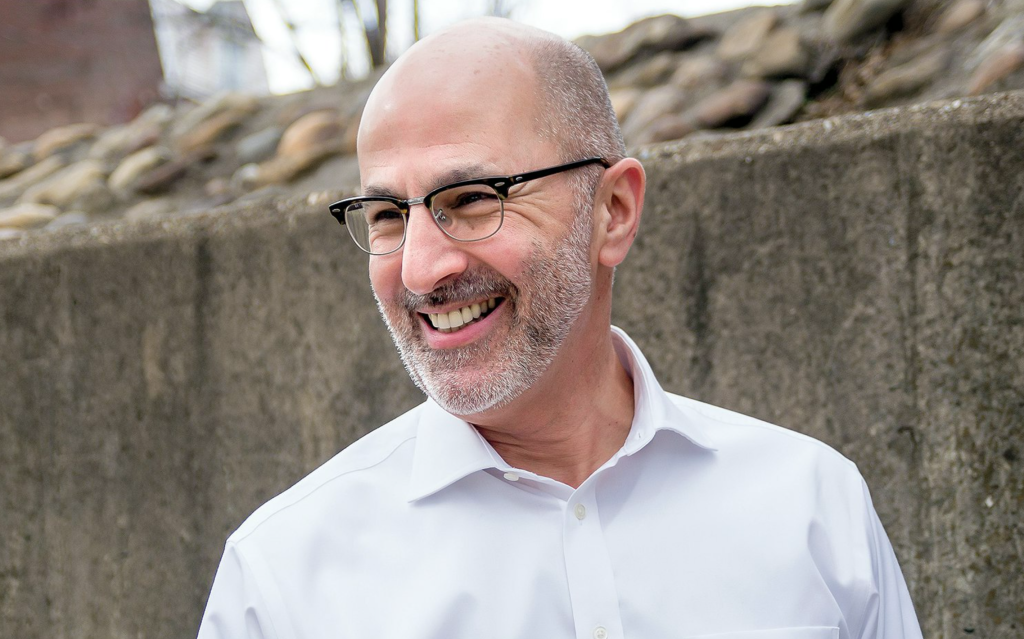
My family will forever be grateful for the open hearts and arms that welcomed us to Pittsburgh and helped us feel at home.
My wife, a Sioux City girl, and I, an Arab boy raised in Lebanon, moved to Pittsburgh in 1984 with our 3-month-old daughter and a desire to do meaningful work. Two years later, our son was born, along with The Pittsburgh Project on the North Side, where we served kids and fixed houses for seniors.
In 2008, we helped launch The Pittsburgh Promise — an investment that has supported more than 13,000 Pittsburgh Public Schools graduates with $188 million in scholarships. The Promise reflects our commitment to Pittsburgh’s students, neighbors, and workforce. More than 730 Pittsburgh companies have employed Promise alumni.
As you begin your leadership, please continue to champion policies that keep Pittsburgh a place where opportunity and talent are nurtured, and where those “longing to breathe free” find their refuge.
Cheryl Tracy, Executive Director, National Aviary
There’s an opportunity right now for Pittsburgh to build momentum in a way that’s thoughtful and lasting. Continued investment in environmental initiatives, infrastructure, and transportation can strengthen neighborhoods and support a healthier city overall. When paired with work to revitalize Downtown and address housing affordability, those efforts help drive real economic growth. Cultural institutions like the National Aviary are a key part of that equation, contributing education, stewardship, and a strong sense of place. I’m optimistic about the potential to align these priorities in ways that support growth while preserving what makes Pittsburgh special.
Mario Rossero, Director, The Warhol
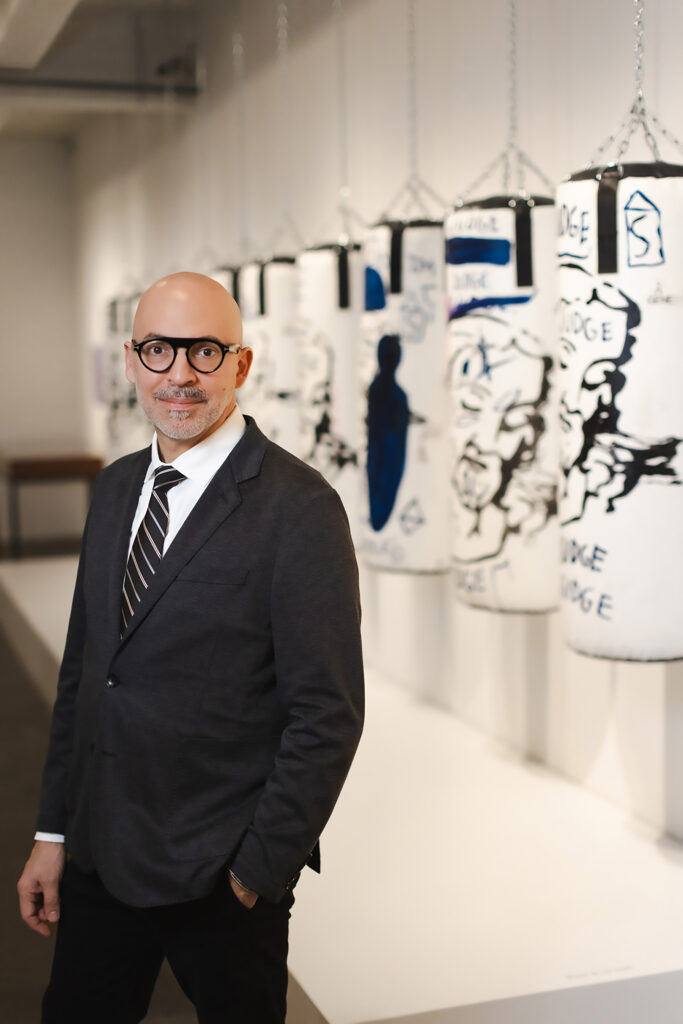
The Warhol is always looking for ways to push boundaries and reinvent ourselves socially and artistically; establish a brave space for youth and teens to gather, create, and lead; and lean into Andy Warhol’s entrepreneurial spirit to identify and predict future trends to act upon. As Mayor O’Connor takes office, I’d challenge him to consider how Pittsburgh might also embrace these ideas for the benefit of our city and region. How might the city partner with its vibrant creative class to further transform neighborhoods and public spaces? To develop engaging and aesthetically appealing routes, pathways, and wayfinding between cultural institutions and points of interest? If teens, city-wide, were gathered in a roundtable discussion, what might they identify as essential needs they face, as well as creative solutions? How might we lean into our innovative spirit and imagine what our city will look like in 20 years and design a road map to achieve that vision, one that has a dedicated seat at the table for the arts?
Jeremy Waldrup, President & CEO, Pittsburgh Downtown Partnership
Pittsburgh is at a defining moment. As mayor, you inherit a Downtown with real momentum and it must be built upon, not managed cautiously. The decisions made now will determine whether Downtown truly becomes a thriving neighborhood and a stronger economic engine. Begin with the fundamentals: A clean, safe, and welcoming Downtown is nonnegotiable. Well-maintained sidewalks, visible safety, and an atmosphere that signals belonging shape how residents, workers, and visitors experience the city every day.
But fundamentals alone are not enough. Downtown requires bold action: smart capital and streetscape investments, better lighting, vibrant public spaces, and pedestrian-first design that invite people to linger and return. Continued reinvestment in historic building conversions must accelerate. Just as critical is active mayoral leadership, calling Pittsburgh-based and national businesses to the table and making the case that Downtown is open for investment — thanks for initiating this and know that we will be adding to your list weekly!
Downtown’s future depends on decisive leadership that cares for today while building what comes next.

Questions or corrections? Contact us at web@pittsburghquarterly.com.