
Editor’s note: The Pittsburgh Quarterly team has interviewed many of the most interesting and noteworthy people in our “city-state of Pittsburgh” as my old editor and friend John Craig used to call this area. The number of interviews that have appeared in this magazine reaches well into the hundreds (writer Jeff Sewald alone has interviewed nearly 80). As a special 20th anniversary issue treat and a tribute to the greatness of the light and lives that course through Pittsburgh, we’ve put together a compendium of thoughts from a fraction of these interviews. We’re sorry we can’t include all — space simply won’t allow it. But I hope you enjoy reading the wit and wisdom of these Pittsburghers, many no longer with us, as much as I enjoyed editing them.
– Douglas Heuck
Previously in this series: 20 Years of Interviews, Pt. III
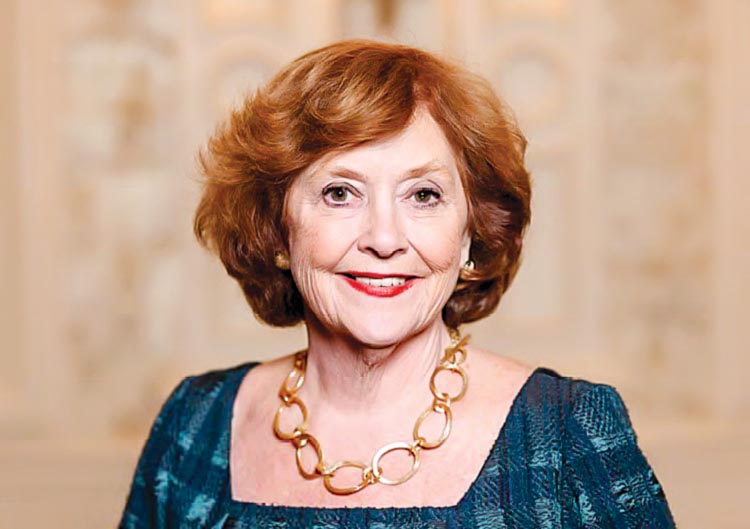
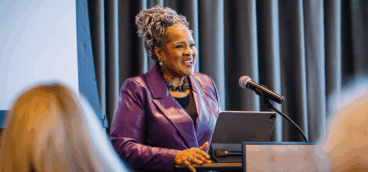
Helen Hanna Casey
Real Estate Maven
“Being a woman CEO can be great, but it’s not always fun. I’ve been fortunate that, because I run a family business, albeit a large one, I’ve encountered no ‘glass ceiling’ in my workplace. ‘Out there,’ however, it’s not the case. And I don’t think glass ceilings exist just within one’s own job hierarchy. They also affect, society-wide, how women are perceived by others, in and outside of their fields. When a company hires a woman to fill an important position, how often have you heard, ‘I think it’s just wonderful that they reached out and brought in a woman for this job.’ What about simply celebrating the fact that we brought in the most qualified person, period?”
Ken Gormley
Writer and Duquesne University President
“In 1984, at a Jimmy Buffett concert in New Jersey, through friends I met a young woman named Laura Kozler, which turned out to be one of the greatest things that ever happened to me. I knew, instantly, that she was the person for me. … She and I had so much in common. But the main thing was, we agreed that we would not allow money to be the deciding factor for anything we did. We wanted to do things that were worthwhile and meaningful. But I have to say that Laura was more than startled when I said, ‘I love you, and I’ll do anything for you, but I’m not sure I could leave Pittsburgh.’ So, we left it at that. We were married on June 28, 1986, and moved into a little place in Regent Square…
“It’s a big deal to be president of a university. One thing that I’ve learned is that the trappings of the position are not what is significant. What’s more important, given a limited amount of time on earth, is not to do things for oneself, but to do things for other people. At the center is family and friends. I am very close with my family and, when I have a challenging day at work, I will often reach out to an old friend, or simply go to Rudy’s in Swissvale for an Italian hoagie.”
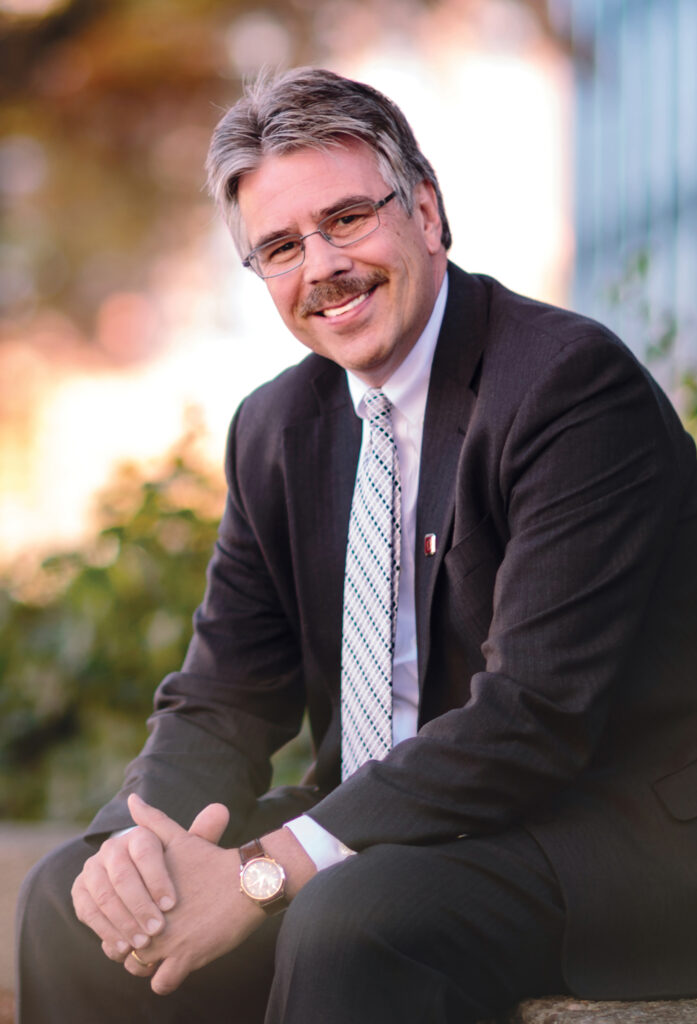
William S. Dietrich II
Businessman and Philanthropist
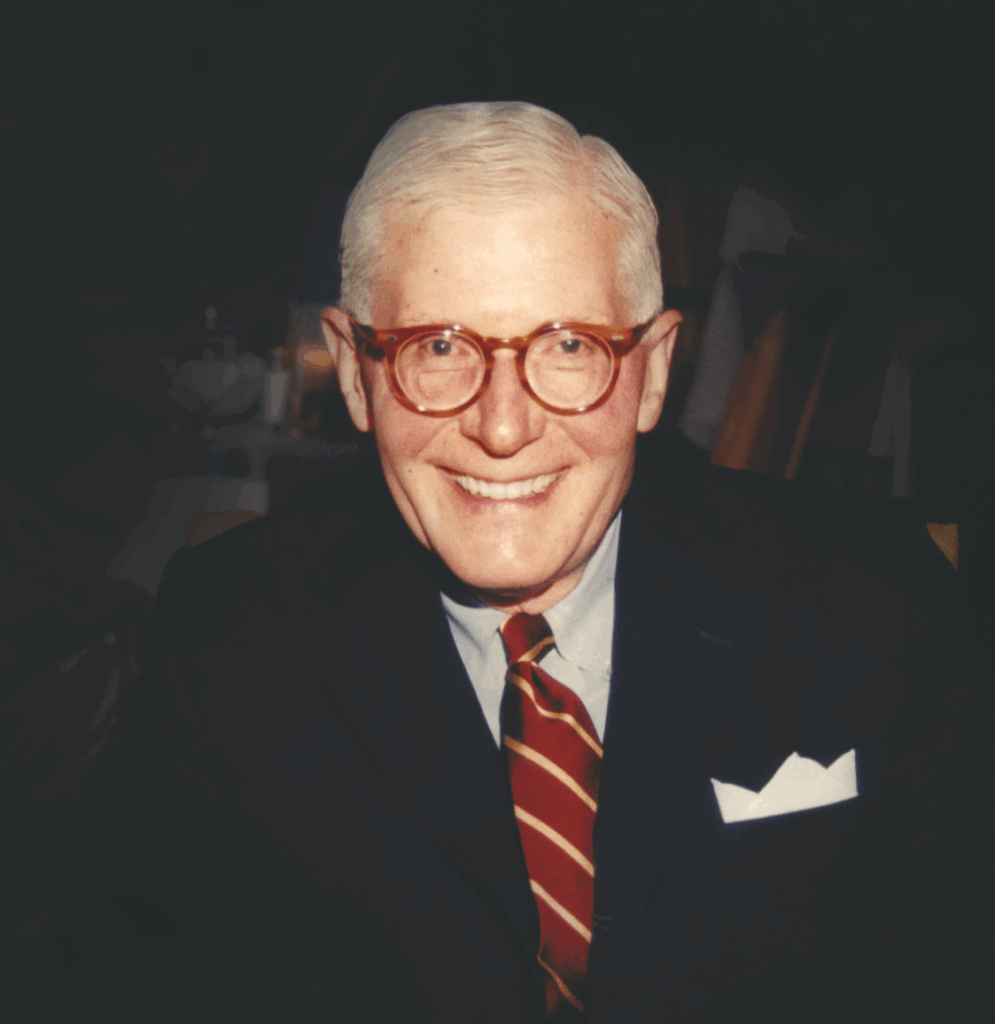
“When I graduated from college, I felt a great hunger to achieve. I always thought that Princeton had an air of snobbery to it so I said to myself, ‘Fine, if achievement is all about money, then I’ll show the bastards. I’ll get the money.’ I’ve always been a workaholic. I love to work. But this focus on monetary gain is, unfortunately, what we are all about in this country these days. Life has become a game of acquiring more and more. But once you reach a certain point, then what? For so many people, no amount of money will ever be enough, and that creates a lot of problems, for those individuals and for the country.”
Thelma Williams Lovette
Social Worker and Community Leader
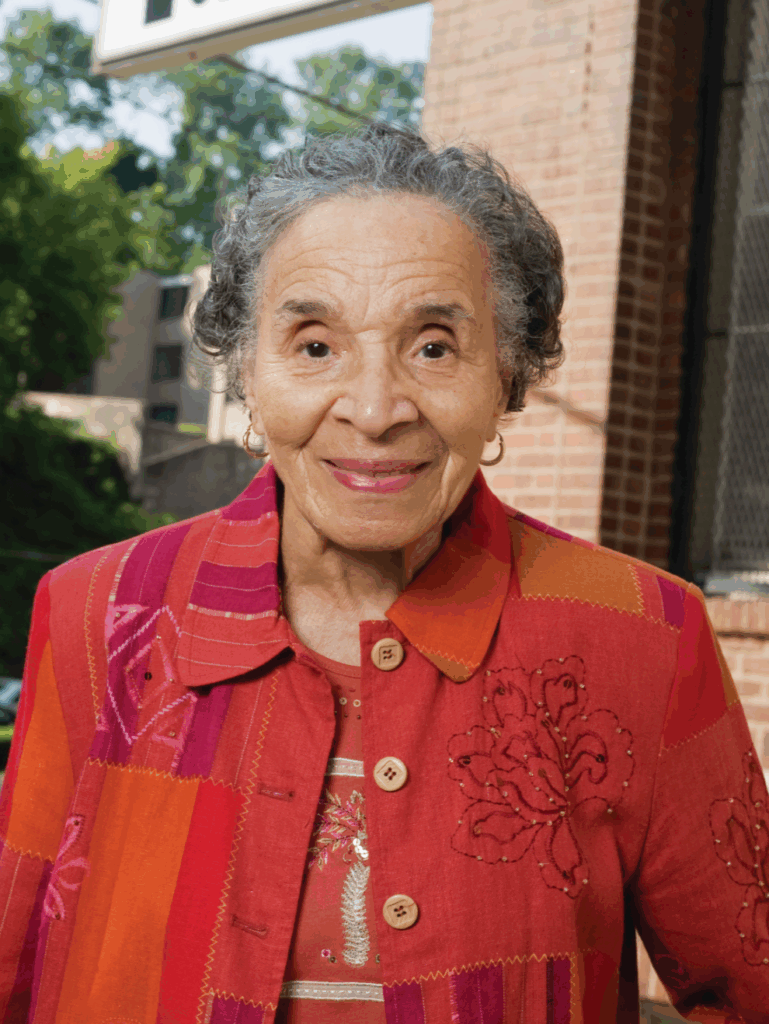
“One thing that I know is true is that we all need each other. If you have something that you think will benefit someone else, share it. That’s what I believe. I think that philosophy came from Mama and Papa because we were always taught to give something back. You know, my mother always wished to visit Africa to see where we came from. And we’d all say, ‘Mama, you don’t really want to go back there, do you?’ Then she’d say, ‘Yes I do. I want to find out what it was like.’ For my 90th birthday, my daughter took me to Africa. What an experience it was! I stood up on Table Mountain in South Africa and looked up to heaven and said, ‘Mama, I’m here. And it’s beautiful.’”

Jim Rohr
Bank CEO and Civic Leader
“Success can be defined in so many ways. It’s very difficult to answer that question. If you’re a swimmer, it’s good to be able to hold your breath. I can’t do that, and I don’t run very fast either. And if I look backward, I was not the best student.
“Success really is driven by a combination of things. You have to have enough talent to play, and you’ve got to be committed. And being committed means you’re willing to put in the hours and the work. And in my case, you had to be a team player—because the team always beats the individual. And you have to be lucky. I guess I was bright enough. I certainly was very fortunate. But I liked working with people, and it was easy for me to realize I couldn’t do it myself.
“And I worked really hard. To be a teammate, you’ve got to work hard—and respect the people you’re with and give them credit. If you think it’s all about you, it’s not. It’s a combination of people, and I’ve been very fortunate to work with hundreds and thousands of people. That’s what the success of Pittsburgh is about: people working together to make things work.”
Cameron Heyward
Pittsburgh Steeler and Philanthropist
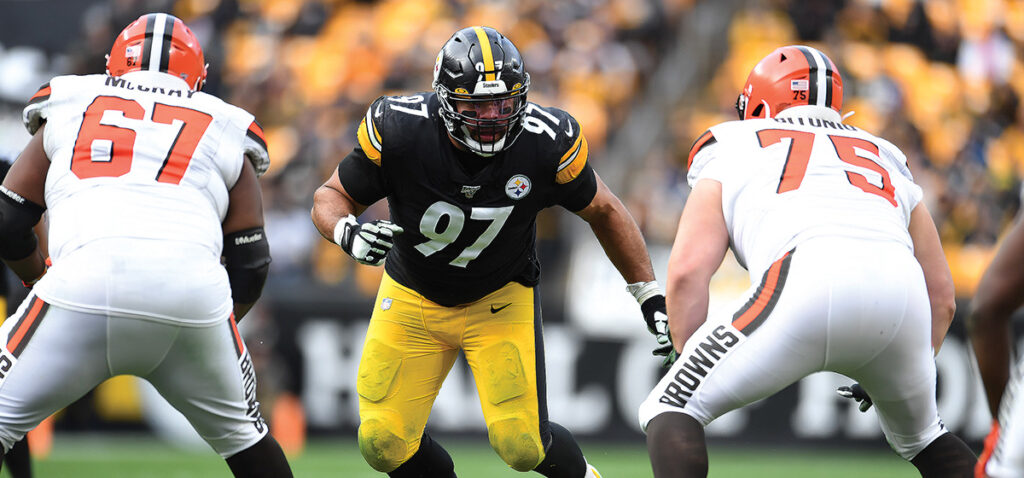
“Most people know that my dad was nicknamed ‘Ironhead,’ but not many know why. They think it had something to do with the way he played football. But actually, he got the nickname when he was about 10 years old. He grew up in Passaic, New Jersey, and used to attend a local Boys & Girls Club. In truth, my dad was a bit of a knucklehead back then, and one day, a kid snapped a pool stick on top of his head. My dad went home, more or less unfazed, and when his mother found out what had happened, she started calling him ‘Ironhead,’ and the name stuck.
“The name ‘Ironhead’ Heyward is special to me because the legacy my dad left is a unique one. Stories I’ve heard about him are sometimes off-the-wall, but to know that he had a big impact on many different people is a source of pride for me. I’m appreciative of all that he taught me, especially by example. Today, I play a game that I love, which was a game that he loved, too. We’re connected through football. One day, hopefully, I’ll make it all the way to heaven and will have a chance to talk to my dad about my life and my family.”
Kim Tillotson Fleming
Financial Leader
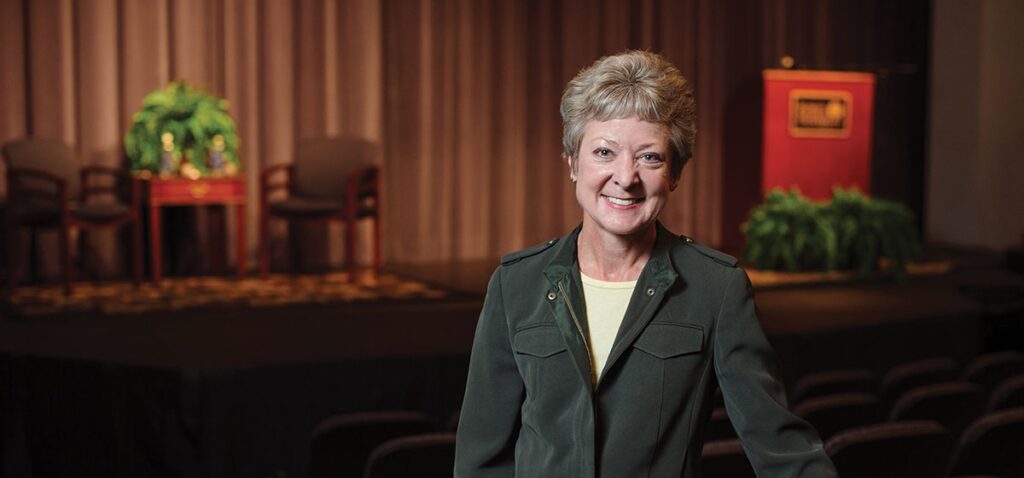
“As you pursue careers, being able to come in and feel proud about what you’re doing is extremely important. Having foundational beliefs that you stand on is also important. Effective leadership starts by being a good student of those around you and recognizing that history has already provided a lot of this foundation.
“I’m also a believer of leaving a legacy. There are so many people who’ve contributed to Pittsburgh and continue to do so. The important legacies have a lasting impact that is truly never forgotten. Learning lessons from the stories of those individuals and applying them in your life, so that you’re creating your own legacy, is one of the best things you can do in life. These are the kind of legacies that last, and they have a lot to do with another point, which is to have a vision. People who have a vision are able to see opportunities to make a difference. It’s important to have a sense of real purpose around that vision.”
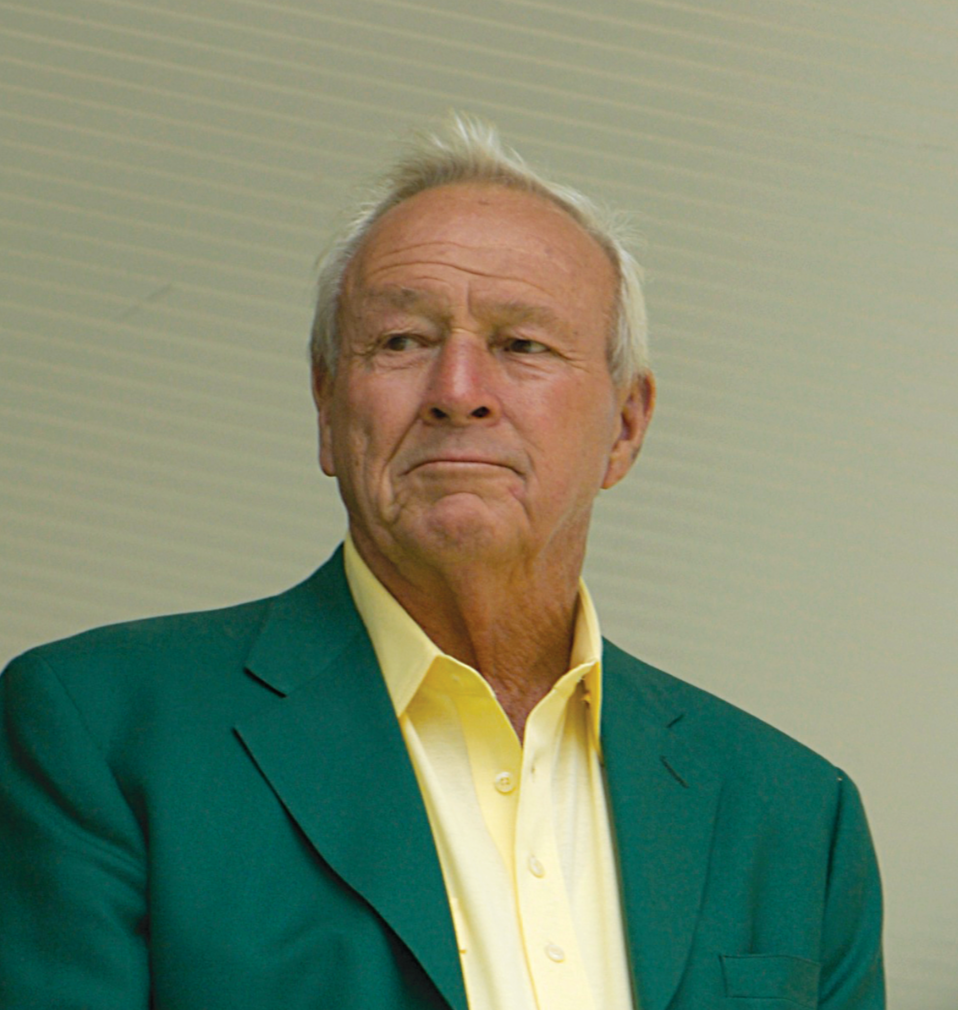
Arnold Palmer
Golf Giant, Businessman
“My parents had a lot to do with what and who I am today. All four of us kids knew that we were loved and cared for, and we learned discipline very early on. My father, Deacon Palmer, taught us manners, how to act among people and, I guess, just about everything else we needed to know to get along in the world. But he was never one to lay a lot of accolades on you. So it was really something special when he said, ‘You did good, kid.’ He’d let you know if he thought you did something particularly well, then he’d drop it and move on. He always said what he thought, quickly and to the point. And that was it.”
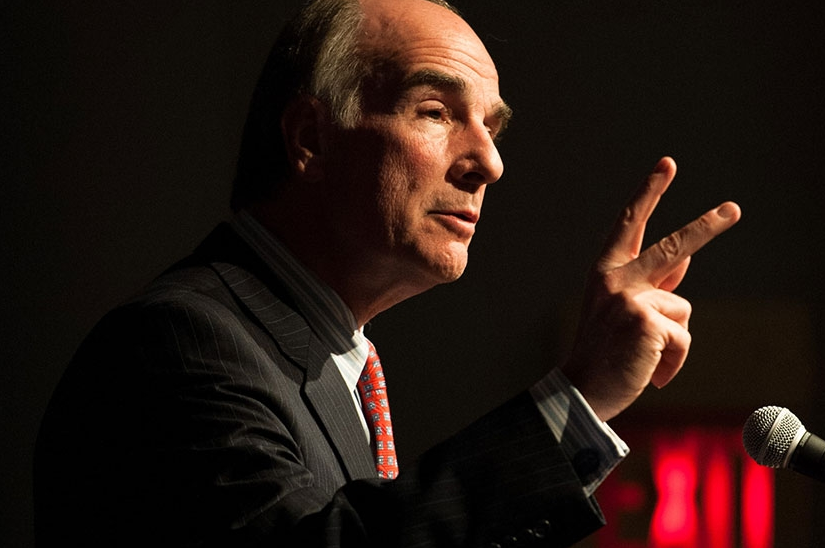
Christopher Donahue
Investment CEO, Community Leader
“Keep your deals. The first lesson of keeping deals has to do with what I call ‘friendship love,’ the kind my dad and his two Central Catholic High School friends had when they got together after World War II and started Federated Investors. Friendship love, in C.S. Lewis terms, is perhaps the strongest of loves. It is not exclusive and allows for others…
“We have a lot of people who enjoy working at Federated; dignity is the key. If there is dignity in a human being, there must be dignity in the work that the human being does. And if there’s dignity in the work — and the product of that work is money that we manage — you could say we manage dignity. And our goal is to keep aiming for excellence in each part of our work. It was Aristotle who told us that we are what we repeatedly do, so excellence is not an act but a habit.”

Questions or corrections? Contact us at web@pittsburghquarterly.com.