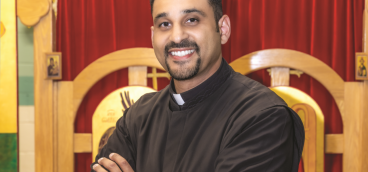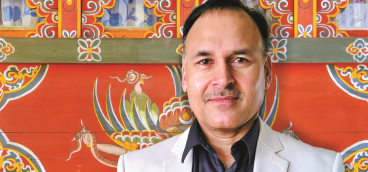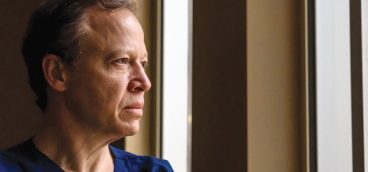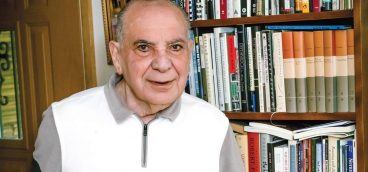
20 Years of Interviews, Pt. VII

Editor’s note: The Pittsburgh Quarterly team has interviewed many of the most interesting and noteworthy people in our “city-state of Pittsburgh” as my old editor and friend John Craig used to call this area. The number of interviews that have appeared in this magazine reaches well into the hundreds (writer Jeff Sewald alone has interviewed nearly 80). As a special 20th anniversary issue treat and a tribute to the greatness of the light and lives that course through Pittsburgh, we’ve put together a compendium of thoughts from a fraction of these interviews. We’re sorry we can’t include all — space simply won’t allow it. But I hope you enjoy reading the wit and wisdom of these Pittsburghers, many no longer with us, as much as I enjoyed editing them.
– Douglas Heuck
Previously in this series: 20 Years of Interviews, Pt. VI
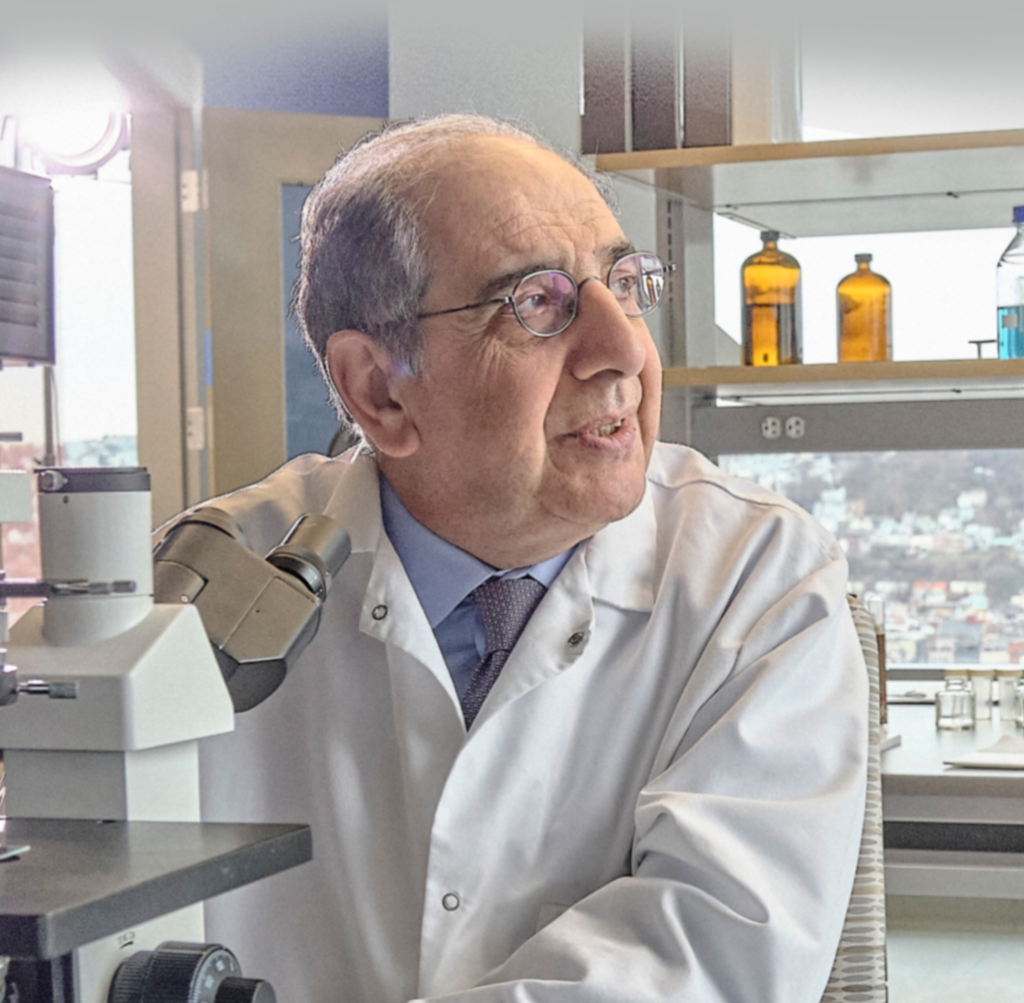
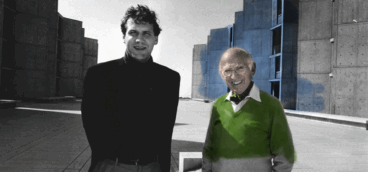
Dr. José-Alain Sahel
Eye Doctor
“As physicians, patients invest a lot of trust in us, and we need to earn that trust. They offer us the most precious thing they have — their lives — and we must meet their expectations. It’s a daunting task. When they come, they ask specific questions and most often, we don’t know all the answers. … I never think that giving up is the right way to go. Patients are always dealing with a lot of stress and, as a result, strive to regain their well-being and comfort. But they are not well, and they are not comfortable. If you want to prioritize well-being and comfort, don’t become a physician. Often, you won’t sleep; you’ll worry. And if you don’t, there is something wrong with you. I’m not saying that we should be unhappy all the time, because there is a lot of profound joy in this work.”
Art Stroyd
Lawyer and Mediator
“Mediation requires as much diplomacy and creativity as patience and ability to listen. At the outset of a session, I tell the lawyers and their clients, ‘If we’re able to find a middle ground — a compromise — one side’s going to take a little less than you wanted when you walked in the door and the other side is going to dig a little deeper than you wanted.’ I tell them that my goal is for them to walk away dissatisfied — but equally dissatisfied, because that’s what a fair and equitable compromise means. Neither side should be giving ‘high fives’ but both sides will be able to put the dispute behind them and move on with their lives. So, that’s my goal: to make everyone somewhat unhappy but equally unhappy, and sometimes, I succeed even if there’s no settlement!”
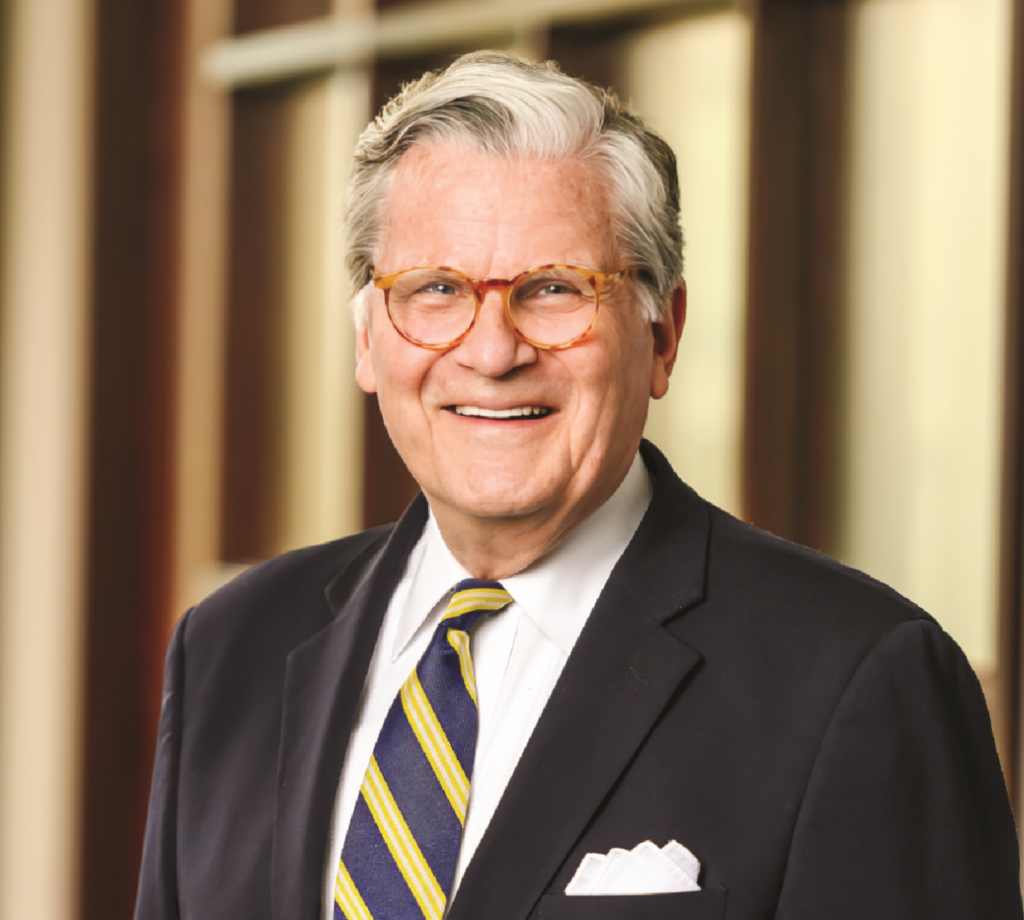
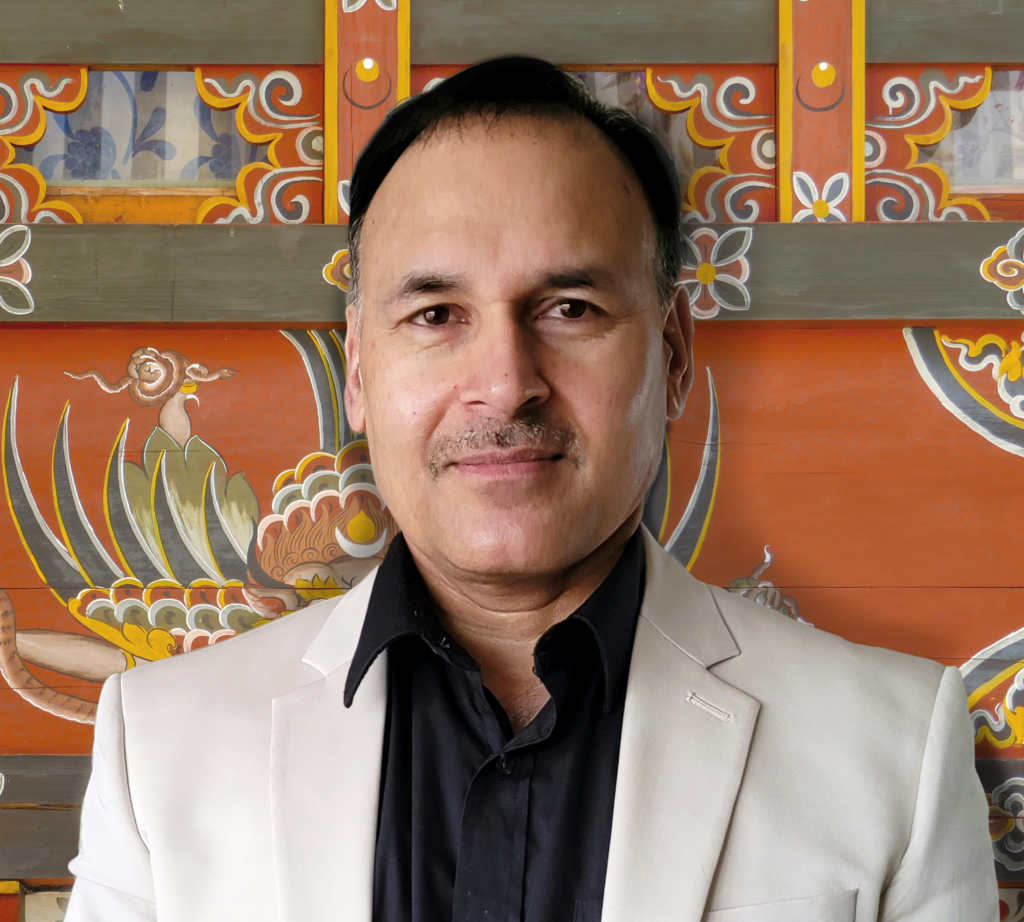
Khara Timsina
Bhutanese Community Leader
“One thing I have learned from my experience is that we get nothing from dwelling on the past, thinking about what might have been if things had happened differently. It is natural to feel a sense of loss. Grief is a part of life. But it makes more sense to focus on what lies ahead. I believe that when there is opportunity, we should do what we can. The words ‘Forgive, Love and Unite’ are posted on my office wall. Over time, I have been able to forgive the past. I continue to spread love in the present. And I pray for a united future.”
Stanley Druckenmiller
Investor and Philanthropist
“In truth, while not always confident, I was an extremely competitive person. I like winning, probably a little too much, to a fault. But the wonderful thing about the business in which I found myself is that every event affects a security price somewhere, and this has forced me to stay up to date on the latest trends and what’s happening in the world. I don’t think I could have survived in this business if I were doing it just for the money. Every day, I had to compete against people who loved the work and would try to outwork me. But no one ever outworked me, and it isn’t because I have a great work ethic. It’s because I love my business as much or more than the next guy, so much so that it has never felt like work to me.”
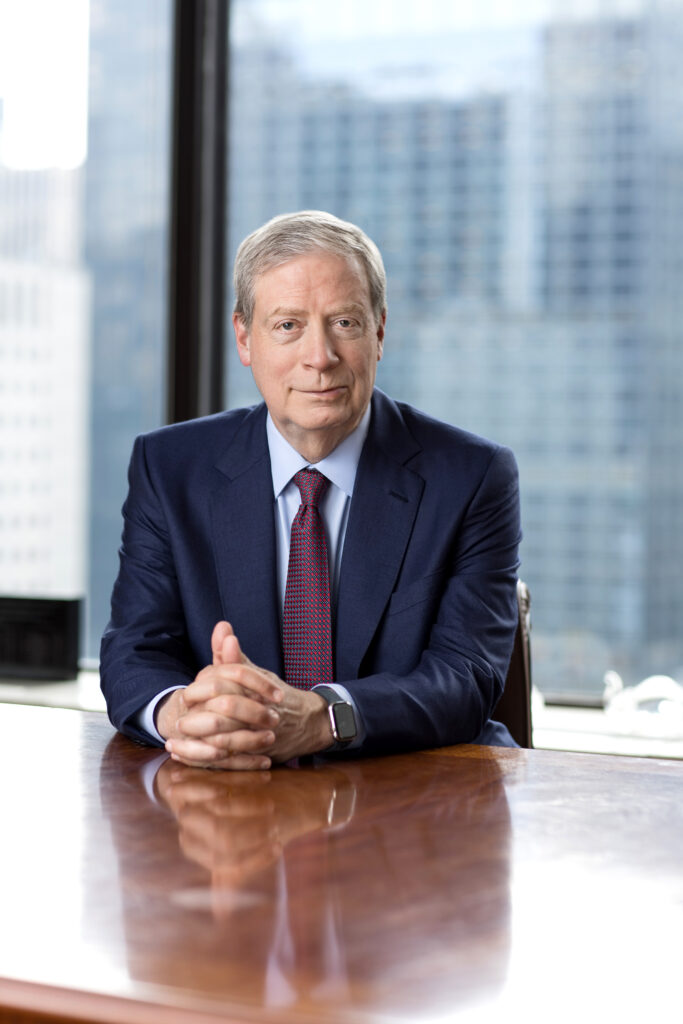
David Holmberg
Business and Community Leader
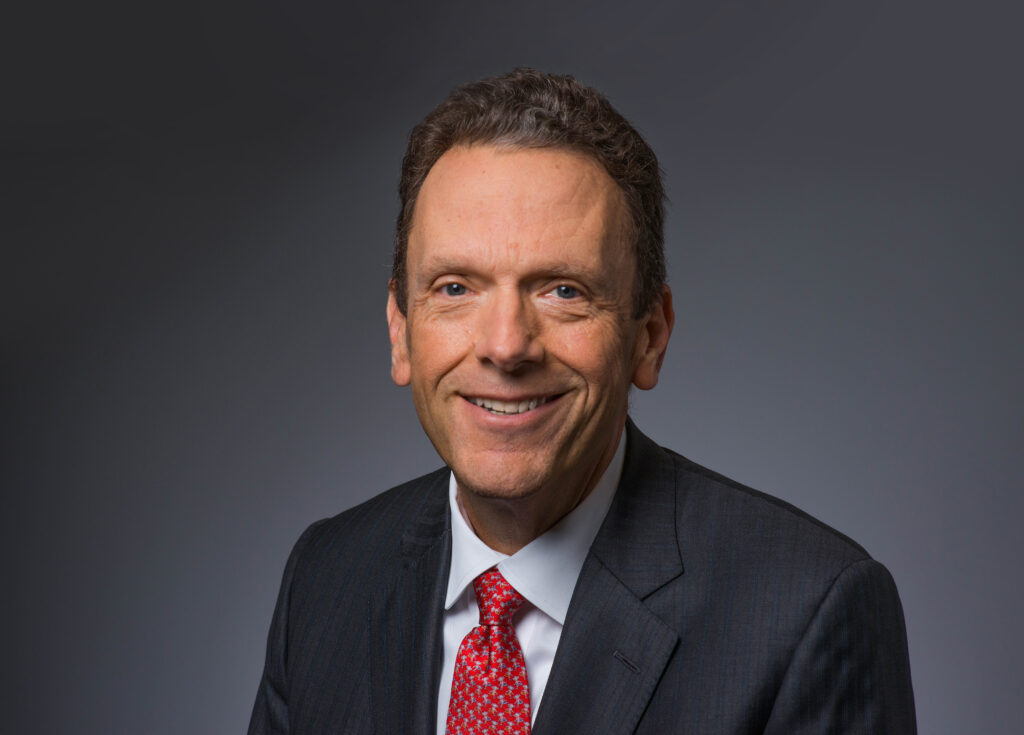
“I grew up in Columbus, Ohio, where my father did factory work for General Electric and Westinghouse. My mother was a nurse. We never starved, but we didn’t have a lot. We were just a middle-class, fundamentally stable family. And the expectation in our home always was: If you wanted more, you had to do more.
“At age 14, I went to work at a McDonald’s, but the law said that a person had to be at least 16 to do so, and the franchise owner explained that to me. I said, ‘Give me 30 days and, if I’m not better than the older kids who work here, you don’t have to pay me.’ I ended up working there for three years.”
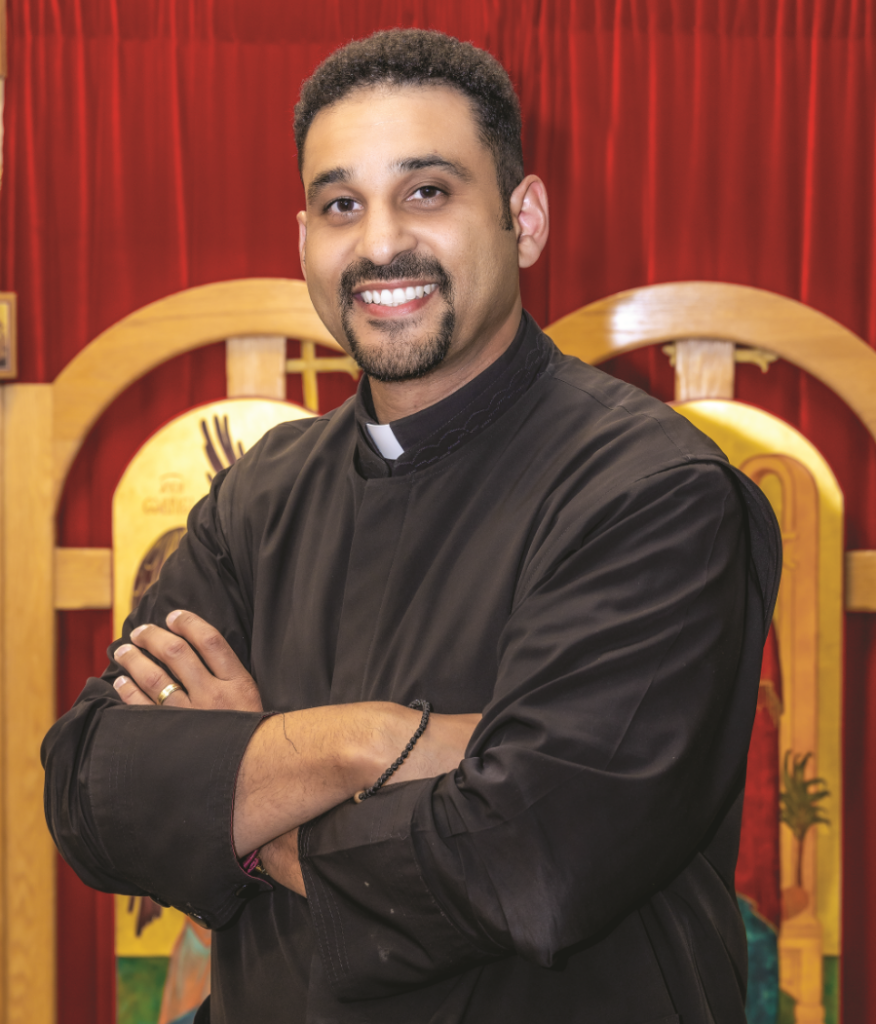
Rev. Paul Abernathy
Community Resilience Builder
“I believe that we’re greater than the hatred we find in our midst. And we must work hard to build, as Martin Luther King said, a ‘beloved community.’ We can’t just say it. We must do it. … After all, how can we become a beloved community if we continue to neglect those who have been weighed down by trauma for generations? Trauma stifles life. It stunts growth. It steals hope and sows the seeds of violence. We must address this. If we do, we can heal ourselves with a little love and compassion.”

John Kasich
Governor and Presidential Candidate
“Sometimes I think that we’re all destined to do certain things, even though, unfortunately, we don’t always manage to do them. It isn’t always easy to fulfill your destiny. But I think we all have opportunities to do so. The question is, will we take advantage of them? In other words, God didn’t say to me, ‘John, someday I’m going to schedule you a meeting with the president of the United States,’ but he did give me the gumption to be able to speak out and ask for something for which most others wouldn’t think of asking. Now, that doesn’t make me better than anyone else. It’s just the way I am.”
Farnam Jahanian
University President
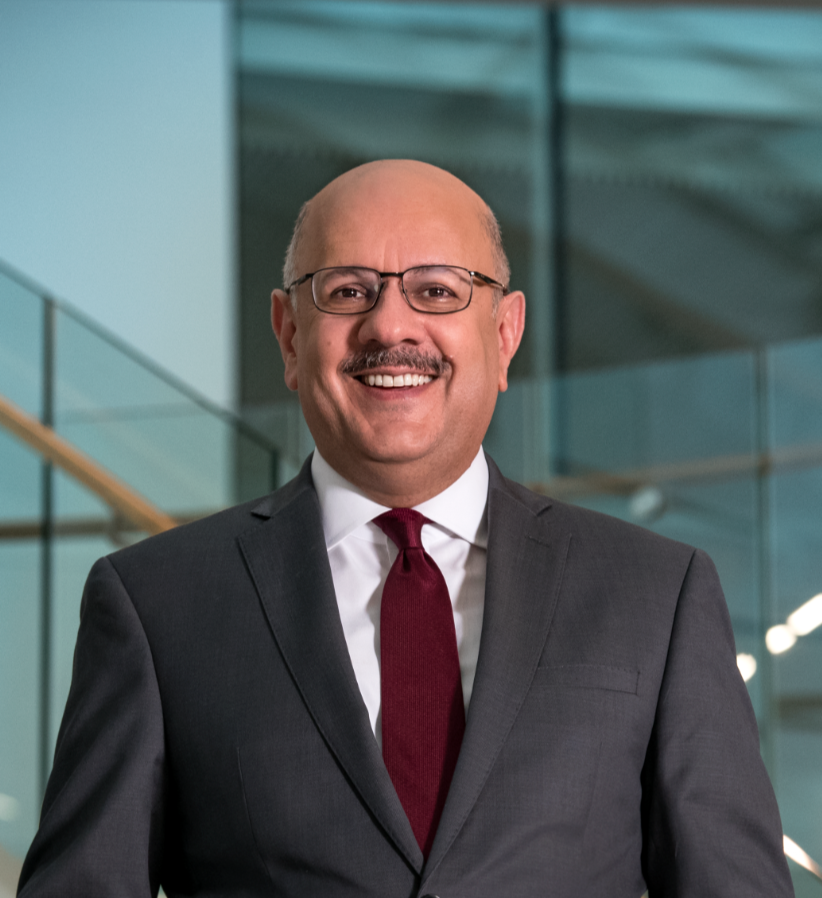
“My family hails from Tehran, and all of my siblings — five in total, all older — went to college in either Europe or the U.S. But I decided to begin my journey at age 16, and traveled from Iran to Texas to attend high school. As I was preparing to go, I asked my mother to help me pack, and she said, ‘Pack light, because whatever you need, you will find there.’ So, I left home with little more than a sense of optimism and a desire to make the most of the opportunities that I believed would come.
“My work ethic came from my father. But looking back, I have realized that my vision came from my mother. And I have carried her words with me. ‘Pack light, because whatever you need, you will find there.’ I believe she was hinting at the knowledge I was destined to acquire during my amazing journey.”
Dr. Robert Friedlander
Brain Surgeon
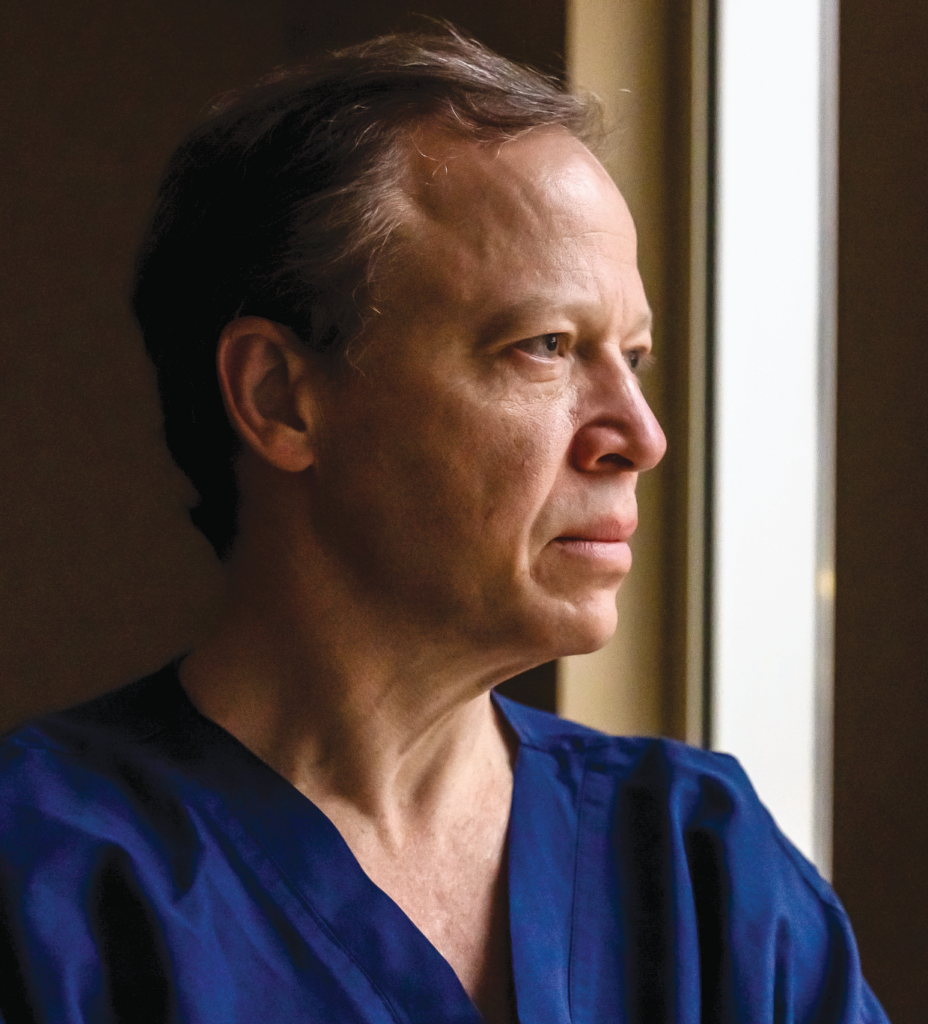
“Neurosurgery is a complicated discipline, and that’s why training for it is so hard and takes so long. Experience matters. Many surgeries take 2-4 hours, but some may take 10, 12 or even 24. So, in addition to brains and experience, you need stamina. I have found that, during long surgical procedures, it is possible to shut the world out. The only thing to care about is your patient and what you’re doing. I tell my trainees that neurosurgery is like climbing a mountain: You start at the base and you take a step up, and then another, and another. Then, once you reach the pinnacle, you’ll find a whole new mountain to climb.”
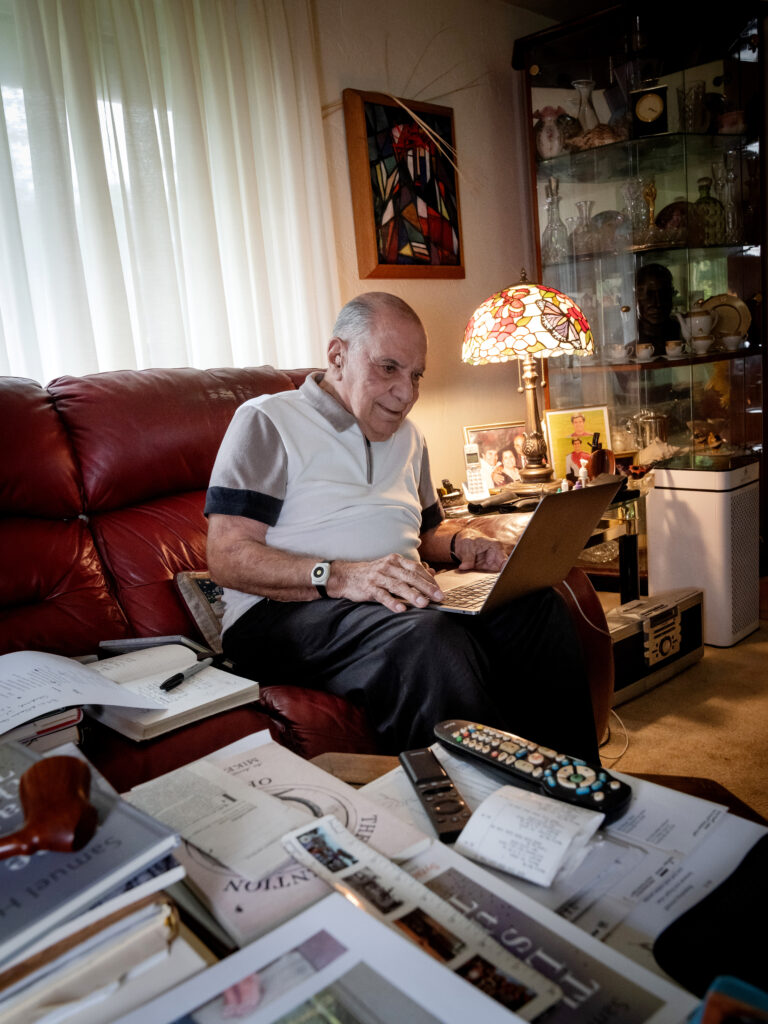
Sam Hazo
Poet
“In the Hazo family, we have only one rule for living: ‘No matter what you do, make sure you love to do it.’ In other words, choose what you love to do, no matter what it takes, and there’s no way you’ll end up miserable. Maybe you’ll have it hard here and there but, eventually, things will work out for the best.
“About a year or so ago, I was on a plane and this other fellow had the window seat. When I sat down next to him, he looked at me and said, ‘My line is shoes; what’s yours?’ I said, ‘I’m a writer,’ and he didn’t seem the least bit impressed. ‘Well, what do you write?’ he continued. I said, ‘I don’t really know what it is until I’ve written it.’ And he pressed on. ‘So, where are you going now?’ I replied, ‘I’ve been invited to a university to recite my poems.’ With a look of incredulity, he responded, ‘And they pay you for that?’”
Tim Parks
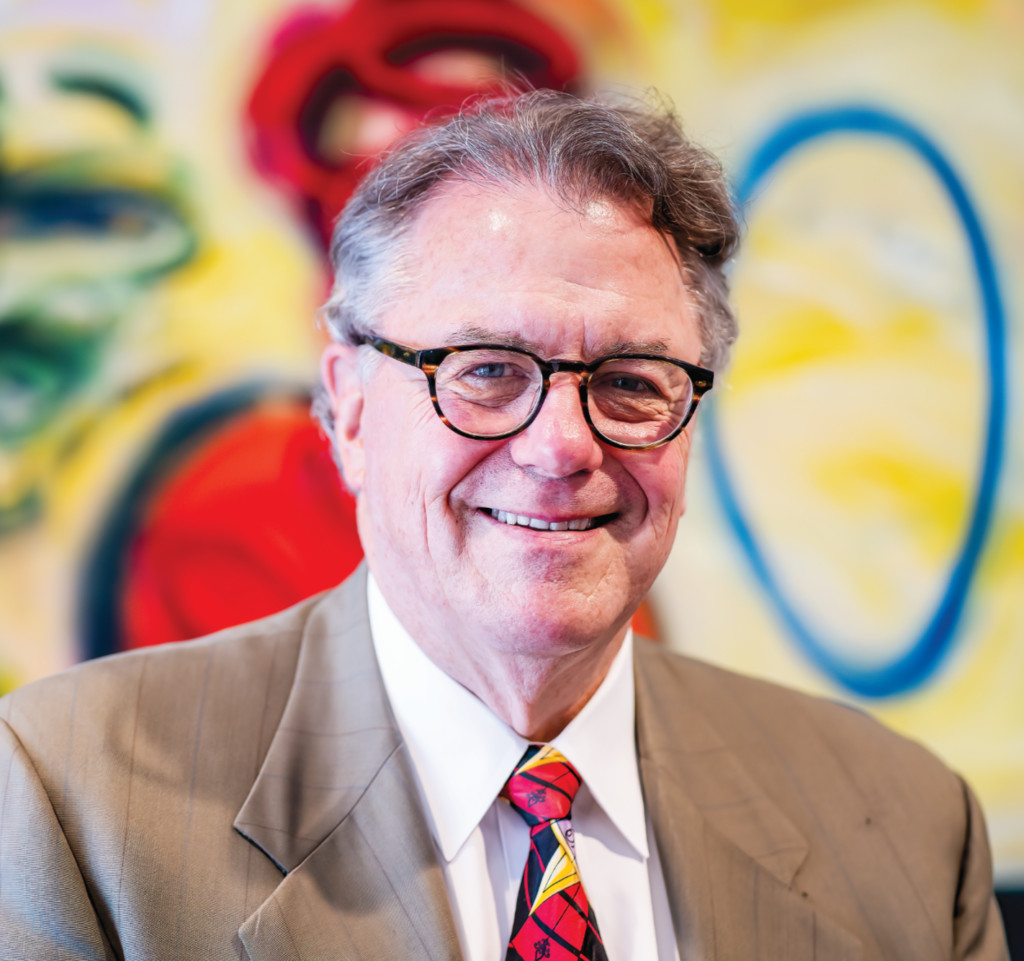
Business Leader and Humanitarian
“Like my father, I’ve never been properly ‘credentialed’ for any position I’ve held. In every instance, I was charged with the responsibility to ‘make something happen.’ Virtually everything I’ve done has been something that involved a bold leap of faith into the formation of an organization the likes of which had never previously existed.”
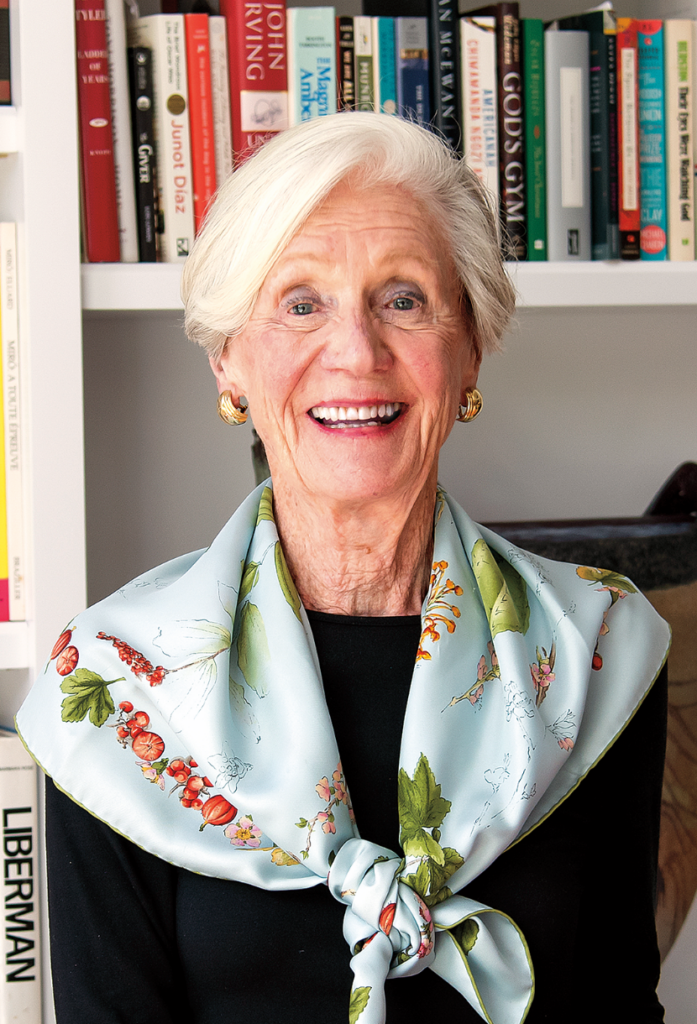
Carol Brown
Cultural Leader
“One of the most important things I remember from my college days is my dad saying to me and my sister, ‘Girls, you can do anything you want to do. Decide what you want and pursue it.’ Most young women weren’t taught that in those days. I loved and respected my dad, and I believed what he said. Sadly, he died when he was just 60, and I don’t know that I ever told him clearly what he meant to me. But his guidance enabled me to go many places and do all kinds of things that I hadn’t dreamed of doing before.
“The advice that I give my four grandchildren is to spend your life on a profession that you really love, something that you genuinely enjoy. And if it’s something that’s good for other people and for the community, it will be even more satisfying. You will lead a good life.”
Randy Gilson
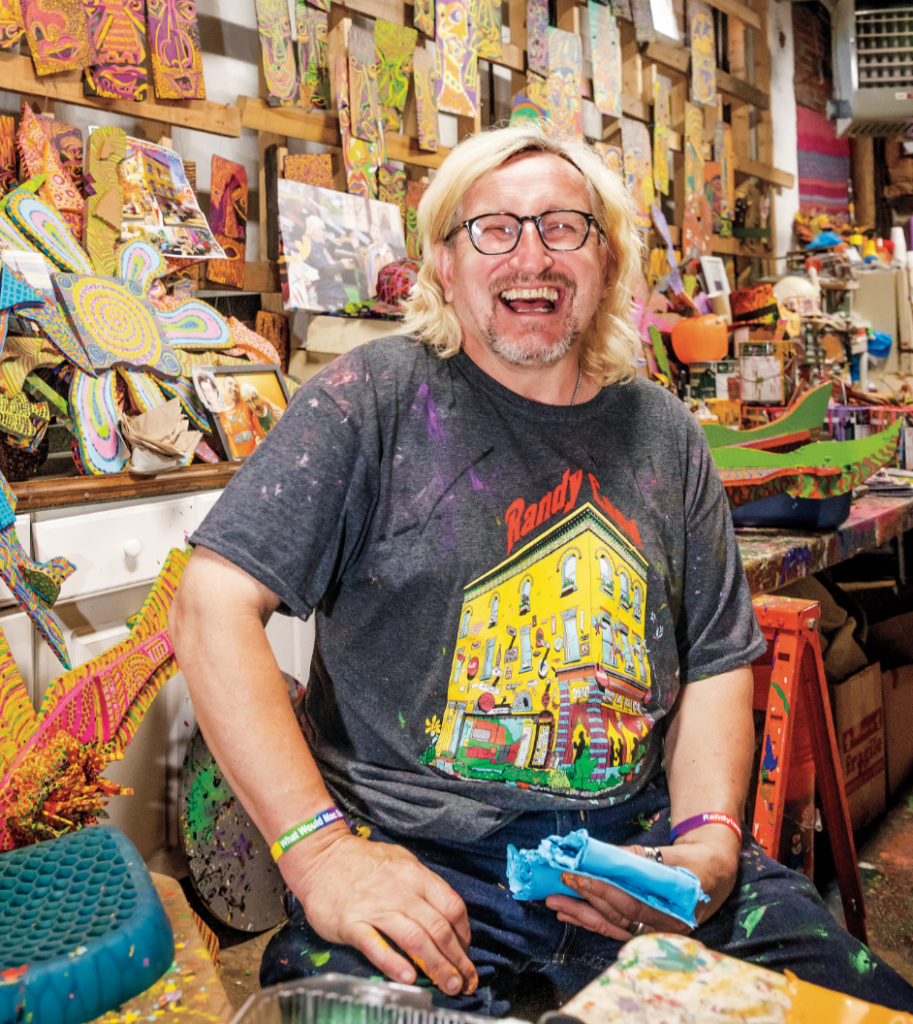
Artistic Creator
“When I was young, we were poor and some kids pushed us around and called us ‘white trash,’ which made us feel bad. To make matters worse, I flunked everything in school and started thinking that I was stupid, which made me angry. ‘Why did God make me like this? Other kids can read and pass tests. Why can’t I do that?’ We had just enough food, and few clothes. As I got older, I started realizing this and hated it. ‘Why didn’t Mom get a better father for us?’ ‘That’s a good question,’ Mom said. ‘You see, Randy, you’re looking at life through the eyes in the front of your head. You’re seeing all the people who are ahead of you. Some of them have things that you would like to have, and it hurts sometimes.’
“I said, ‘But everybody else has a Mom and a Dad. Their lives are normal. Everything’s wrong with us.’ Then Mom said, ‘You’re too young to realize that the things you see in front of you are just part of your education. If you want something, you must work hard and figure out how to get it.’ And Mom wasn’t finished. ‘If you had eyes in the back of your head, you’d realize that there are as many people behind you as there are in front. There are people behind you who really don’t have anything. You have a Mom, right? Well, many kids don’t have a Mom. You have a roof over your head, right? Many people don’t have a roof. So, you see, Randy, you were actually born in the middle.’ That’s when I learned to see life with a different set of eyes, and that’s what I do now. I teach people to look at their lives through different eyes.
“Mom was married to her beliefs, to Jesus, and she was a wise woman. When I was 17, she told me, ‘Randy, there are all kinds of costumes out there: nationality costumes, Halloween costumes, ethnic costumes, and so on. The costume I’m wearing now will disappear one day.’ I said, ‘Are you trying to talk to me about death?’ She said, ‘Yes. You know me as Mom. I’m in that costume, in one place, and you can find me in that place. But, when I go to heaven, I won’t be in that costume anymore. I’ll be everywhere. I’ll be in the wind that blows through your hair, and in the birds that sing in the trees. You will see many symbols of what I taught you, and you’ll find me everywhere.’ I know that my mom is watching me now. I can tell.”

Questions or corrections? Contact us at web@pittsburghquarterly.com.