
Editor’s note: Since late 2005, we have interviewed many of the most interesting and noteworthy people in our “city-state of Pittsburgh” as my old editor and friend John Craig used to call this area. The number of interviews that have appeared in this magazine reaches well into the hundreds (writer Jeff Sewald alone has interviewed nearly 80). As a special 20th anniversary issue treat and a tribute to the greatness of the light and lives that course through Pittsburgh, we’ve put together a compendium of thoughts from a fraction of these interviews. We’re sorry we can’t include all — space simply won’t allow it. But I hope you enjoy reading the wit and wisdom of these Pittsburghers, many no longer with us, as much as I enjoyed editing them.
– Douglas Heuck
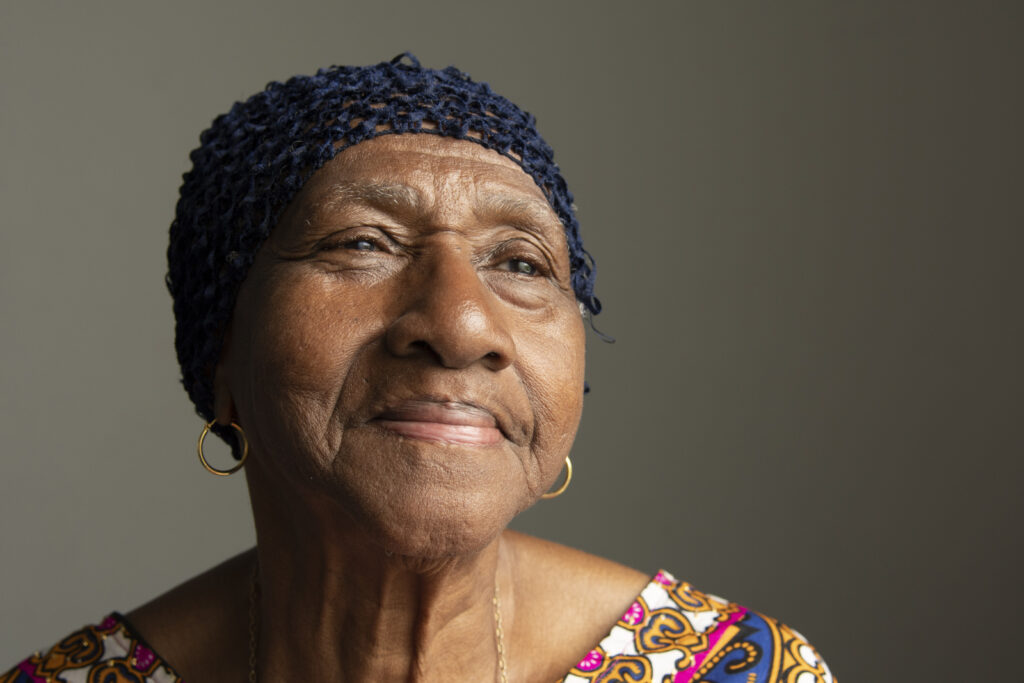
Betty Lane
Social worker, community leader
“I am excited about being 80 years old. It allows me to do all the things that maybe I couldn’t do when I was younger. I can take all of those skills that I learned and really put them to use, teaching younger people. I’m not held by restrictions and guidelines and bosses telling me, ‘You can’t do that.’ I am free, and if I understand I am free, then I can create what I want to create … Most people forget when they were kids; they were like, ‘Oh, I’d like to do this and I want to be this and that.’ They get hung up in some jobs and forget all about what they wanted. But let’s go revisit and do some of those things. Hey, I’m excited. I plan on being 100 … Do not go sitting in a chair playing cards and forgetting about who you are and why you’re here. Did you ever think about why you’re here on this planet? You came here to experience what life is about.”
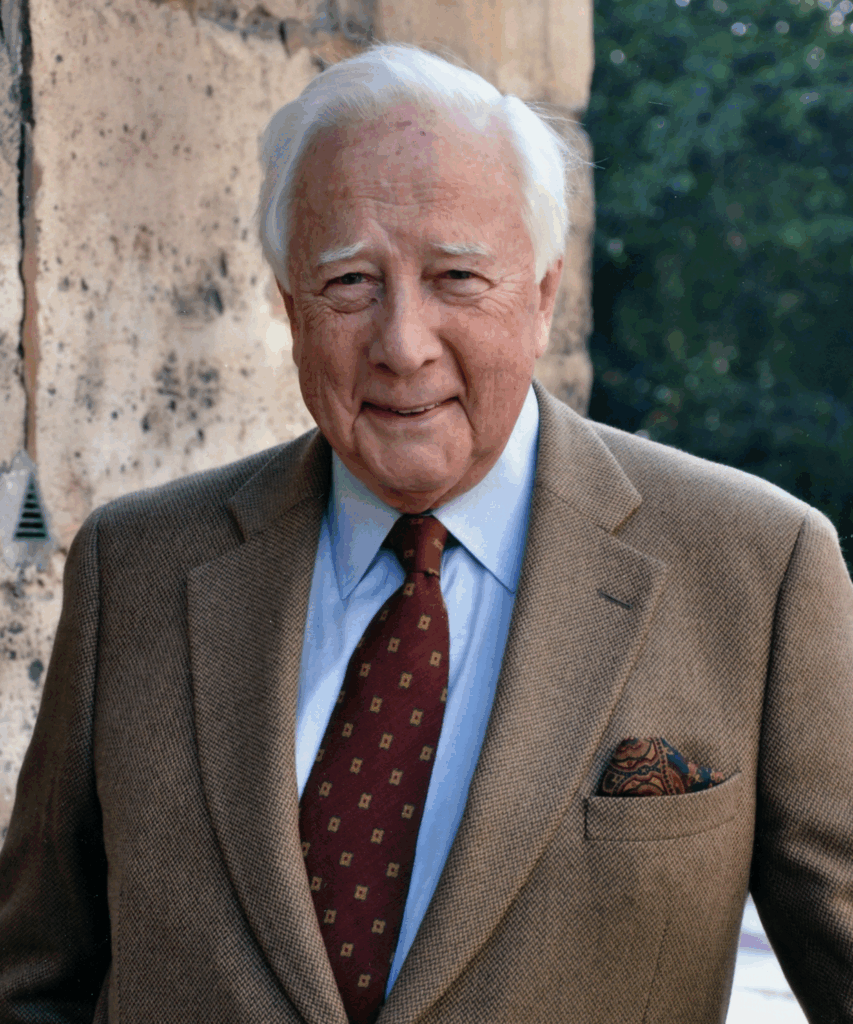
David McCullough
Author, narrator, historian
“To me, one of the most infuriating ideas that is commonly expressed by supposed wise men and women is that other days were ‘simpler.’ There were no simpler times. Would you like to have lived in the midst of the Civil War? How about World War I? How would you like to have suffered through the influenza epidemic of 1918 or the Great Depression? Those were not simpler times. They were different times. And we must understand why they were different and why the people who lived through them were different. No matter what some may tell you, those people weren’t ‘just like us.’ To write or understand history, you must try as best you can to put yourself in the shoes of those who lived in those other times. You have to marinate yourself in your subject, in the time and place. You have to go where things happened, walk the streets, smell the air, and hear the voices.”
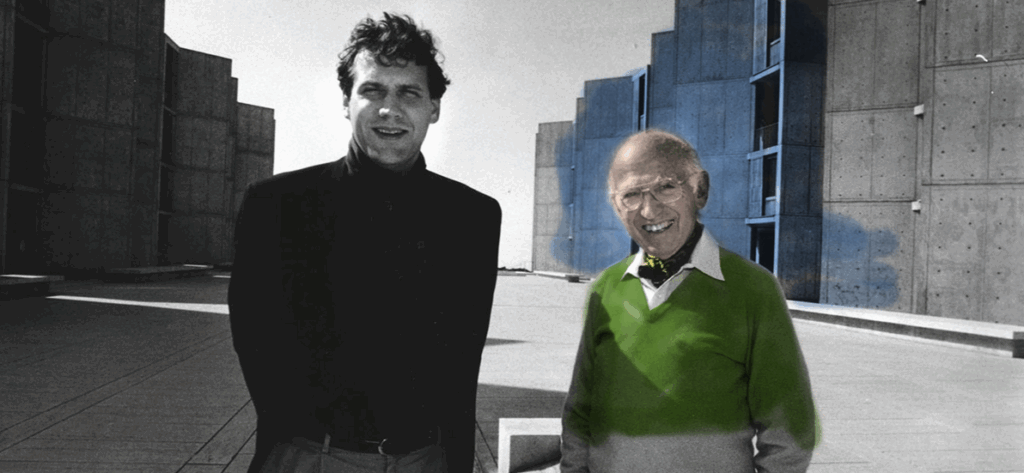
Dr. Jonas Salk
Polio pioneer
“Do that which makes your heart sing. Risks always work out. Some people say, ‘Where there’s a will, there’s a way.’ I turn it around. Where there’s a way, there isn’t always the will.”
Abraham Twerski
Rabbi and teacher
“Try to find happiness in everything. And that’s not easy. There are a lot of things that cause you misery. Right now I’m disabled in a wheelchair. I’m dependent on other people for so many things. I don’t like being dependent on people. But I still try to find some happiness in that. I once had a very painful right leg, before the thing I have now. There was someone who had lost their leg; it had been amputated. And I thought, how much would he give to have a painful right leg? You have to look for the good things in life and not get thrown by adversities…
“I was brought up to believe that things don’t happen by themselves. God engineers them. That is a belief that is very powerful, that God is in control of everything. Since God does not do anything terrible, there has to be some good in everything. That’s difficult, because there’s so much misery and so much tragedy. But again, God designed it that way. For some reason that I don’t understand, God wants me to be in a wheelchair. If he did that, I have to accept that, even though I can’t understand how…
“I live my life by trying to do the kinds of things that I think God expects of me. And so my life has a purpose. A guide for me in my life has been to strive for something. God has a purpose for me. I don’t have to know what it is. I just have to live according to the most reasonable ways. And find love and happiness — you’ve got to look for it. If we can realize that kindness is the greatest gift that we have: to be kind to other people. To be considerate. To wish well for everybody else. And do a little whenever you can to make people happier.”

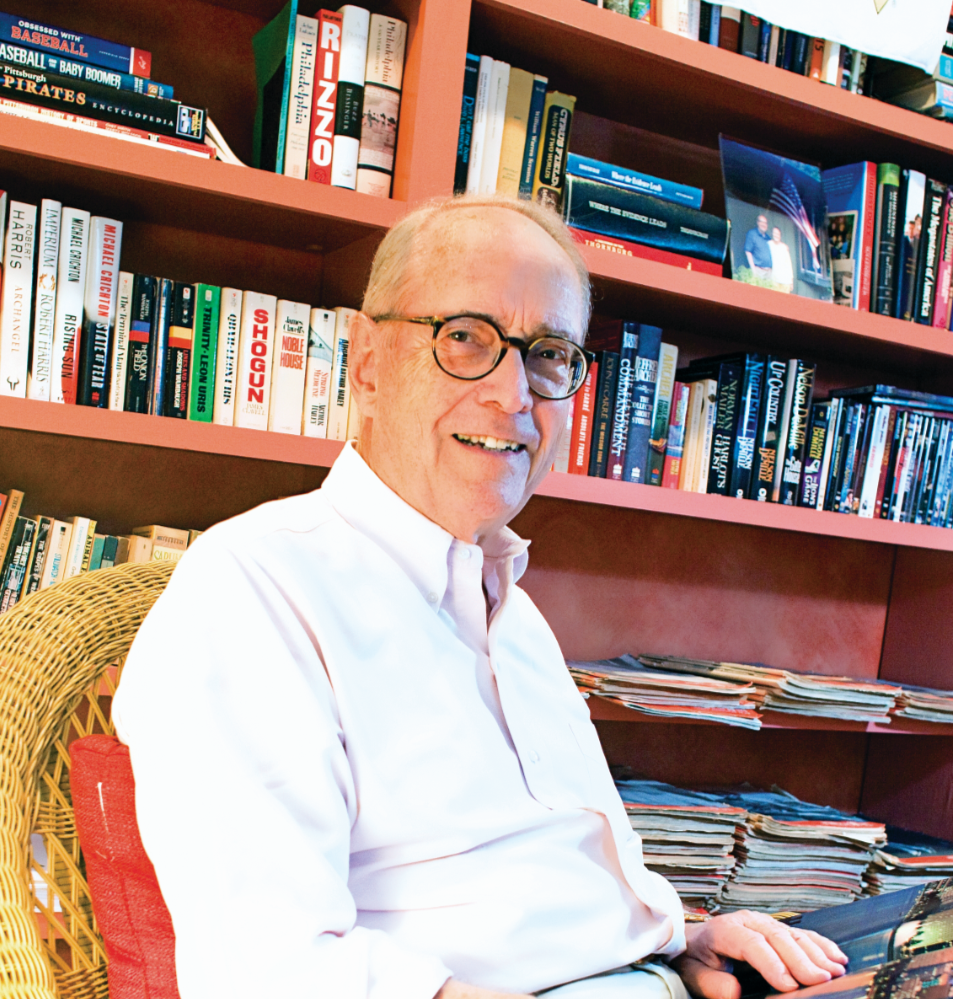
Dick Thornburgh
Governor and U.S. Attorney General
“My father passed away while I was in college, so my mother supported me through law school. Afterward, I worked for a couple of years in the legal department at Alcoa. Then, in 1959, I took a job with what is now K&L Gates. By that time, my wife and I had three boys and things were looking pretty rosy for us. On July 1, 1960, however, my whole world was turned upside down. My wife was killed in an auto accident and my youngest son, Peter, aged 4 months, was seriously injured with multiple skull fractures and extensive brain damage. The accident changed my entire outlook. At 28, I learned how fragile life can be and how limited our time is to do something useful with it.”
Jim Roddey
Businessman and civic leader
“My Dad could be fun, but he was also very strict. As a kid, when we went out to dinner, we didn’t go to restaurants. We went to someone’s house. And when we went, if I didn’t get a compliment on my manners, when we got home, I’d get a whipping with a switch from the yard. I didn’t care. I thought all kids got that. But I’ll tell you this: I developed some really good manners. And when we went out to dinner, it would take me only about 30 seconds to get my first compliment…
“In Santa Rosa, I would attend my eighth school in six years, which wasn’t as bad as it sounds. It seems that all of our moving left me with no fear of change. If I had to live somewhere new, it was fine. To this day, my favorite place to live is the place I’m living at the moment. Wherever I went, I would make friends easily. I’d find the prettiest girl and make her my girlfriend. Then I’d seek out the bully and pick a fight with him. After that, I was OK. I was a pretty good athlete, too, and that helped. I was a good runner and was always the fastest boy in school. I also got good grades. But, for some reason, I’d always get bad marks for behavior.”
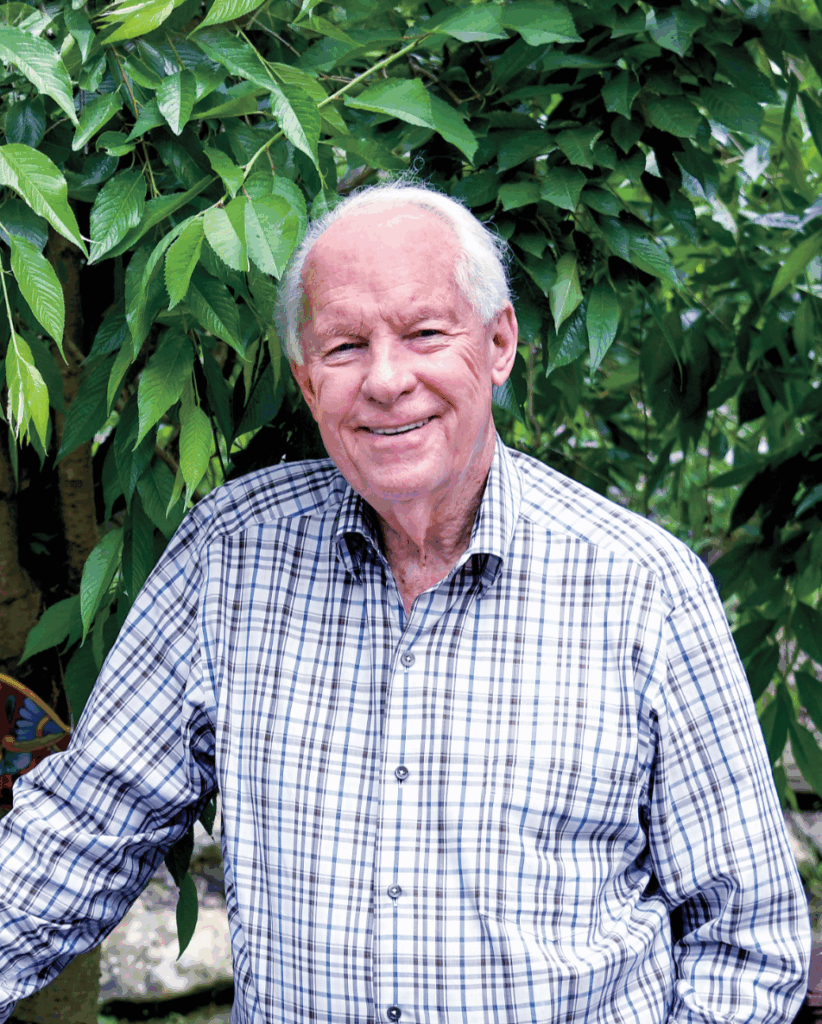

Joe Hardy III
Founder of 84 Lumber
“Money. That’s your scorecard. Absolutely. But anyone who is financially successful is so because of the contributions of many people. I don’t say that because I’m a good guy. I say that because it’s true. When you’re young, you’re always looking over your shoulder. But when you get to my age, there’s one good thing: You don’t worry about too much. You just get up there and do what you can do, and if people don’t like it, to hell with them. I’m certainly eccentric. But I don’t try to be. Maybe I just look at things a little differently than most people. Look, nobody ever gave me a nickel. I started with peanuts. My folks had a little bit of money but I said, ‘I don’t want any of it.’ So I guess that all I can hope for is that, when people think of me, they think, ‘Hey, that jackass started out with only $5,000 and made a fortune. Maybe I can, too.’ ”
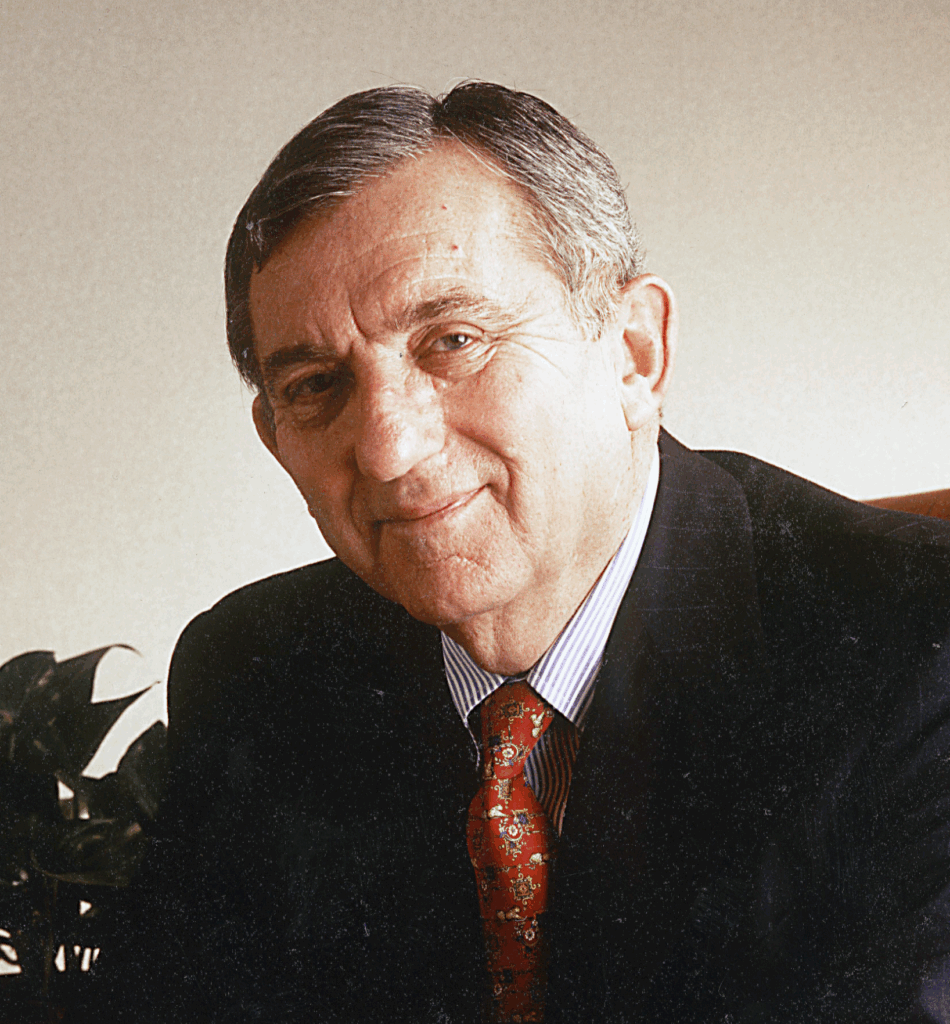
Richard Simmons
Metallurgist, CEO and philanthropist
“I wasn’t the smartest guy at MIT, but fortunately I was smart enough to recognize that there are a lot of really smart people out there. To be successful, you need many attributes to build a career and climb the ladder. Luck is a key ingredient…
“Think through issues and be prepared to disagree with the conventional wisdom, even when it is your boss who is saying it. … Important, difficult, strategic decisions, for me at least, can rarely be made at the office. You can gather facts at the office, discuss the differing opinions, but only the CEO can make the final decision. And that takes time…
“Take advantage of opportunities when presented. They come along all too infrequently…
“The values of the organization are set at the top. The entire organization looks up to see what the CEO is doing—not what he or she is saying. So, for those of you who aspire to be a CEO, remember the burden that you carry—not just to make the handful of strategic decisions you will have the opportunity to make, but also the values, the ethics, and the moral compass of the company you lead. That will be how you will be remembered.”

Questions or corrections? Contact us at web@pittsburghquarterly.com.