What better place to celebrate our nation’s 250th anniversary than Philadelphia? And, just as Pittsburgh beautified for the NFL Draft, our eastern neighbor did the same to prepare for its influx of visitors.
Given all the sites and activities surrounding our country’s founding, weekends are sure to be busy, so consider a midweek visit, including a stay in the Penn’s Landing area in the Historic District, close to the water and within an easy walk of historic sites. The Penn’s View Hotel, circa 1828, boasts the world’s largest wine preservation machine, a custom cruvinet system dispensing 120 wines. The 17 rooms of the 1787 Georgian-style Morris House Hotel combine Revolutionary-era history with modern luxury. At the 170-year-old Independence Park Hotel, you can make a Belgian waffle embossed with the Liberty Bell for breakfast. And the Thomas Bond House, a 1769 bed-and-breakfast, was built by the founder of America’s first public hospital and his friend, Benjamin Franklin.
Start at the Independence Visitor Center in Old City for overview of the area, interactive exhibits, films and a touchable replica of a portion of the Liberty Bell. You can also purchase tickets for attractions and tours and get maps. Planning is key, because sites will be busy.
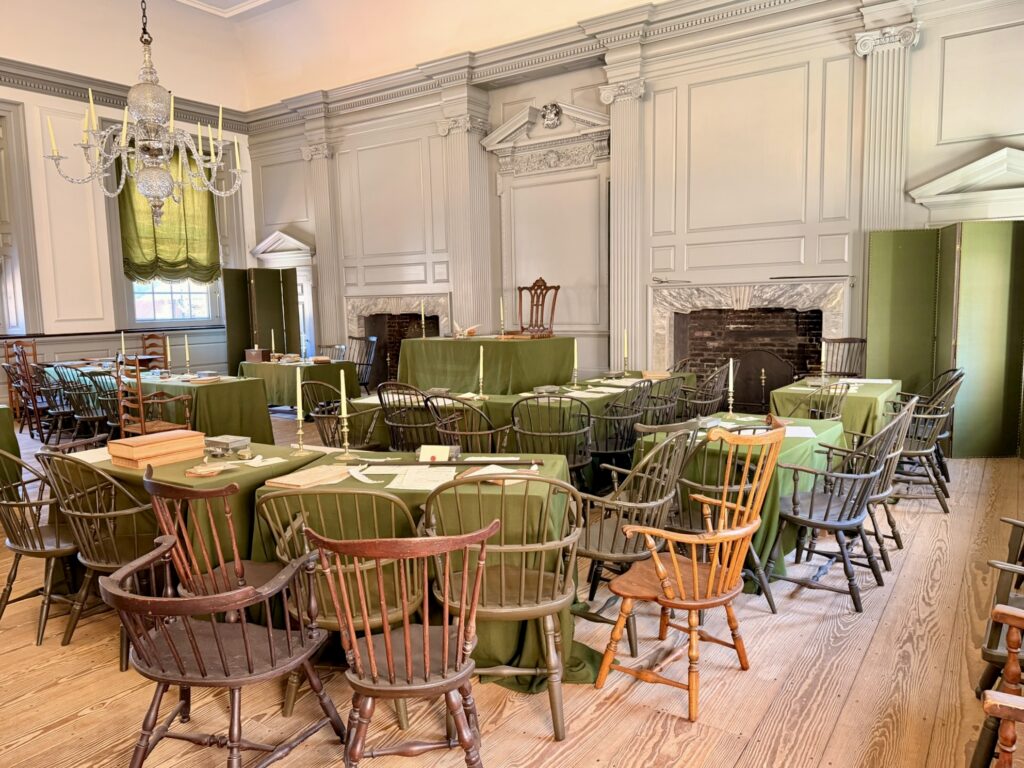
The Independence Square buildings include Independence Hall, Congress Hall, the American Philosophical Hall and the Great Essentials exhibit. A UNESCO World Heritage Site, Independence Hall is our country’s birthplace, where the Declaration of Independence and U.S. Constitution were debated and signed. The Declaration was adopted on July 4, 1776, with 12 colonies voting to break from Britain and New York abstaining. It’s best to book tours online 30 days in advance, though half of the tickets are available at 5 p.m. the day before. Free, unguided tours are available daily from 9–10:30 a.m. without a ticket.
Congress Hall was the seat of the U.S. Congress from 1790 to 1800, a decade that saw Congress ratify the Bill of Rights, establish the Federal Mint, the First Bank of the United States, and the Department of the Navy, and admit three new states. But, arguably, the most significant thing that happened there was the inauguration of John Adams, succeeding George Washington’s two terms in the White House and proving we had a democracy with a peaceful transition of power, not a monarchy.
The American Philosophical Hall contains the American Philosophical Society (APS) Museum. The APS is the “oldest learned society in the United States,” founded in 1743 by Franklin. Its library displays artifacts ranging from Jefferson’s draft of the Declaration to Neil Armstrong’s notes from his Apollo 11 flight. The current exhibit focuses on the Declaration.
In Independence Hall’s West Wing, the Great Essentials exhibit includes first-generation printed copies of the Declaration, the Articles of Confederation and the U.S. Constitution, and the silver Syng inkstand used when these documents were signed.
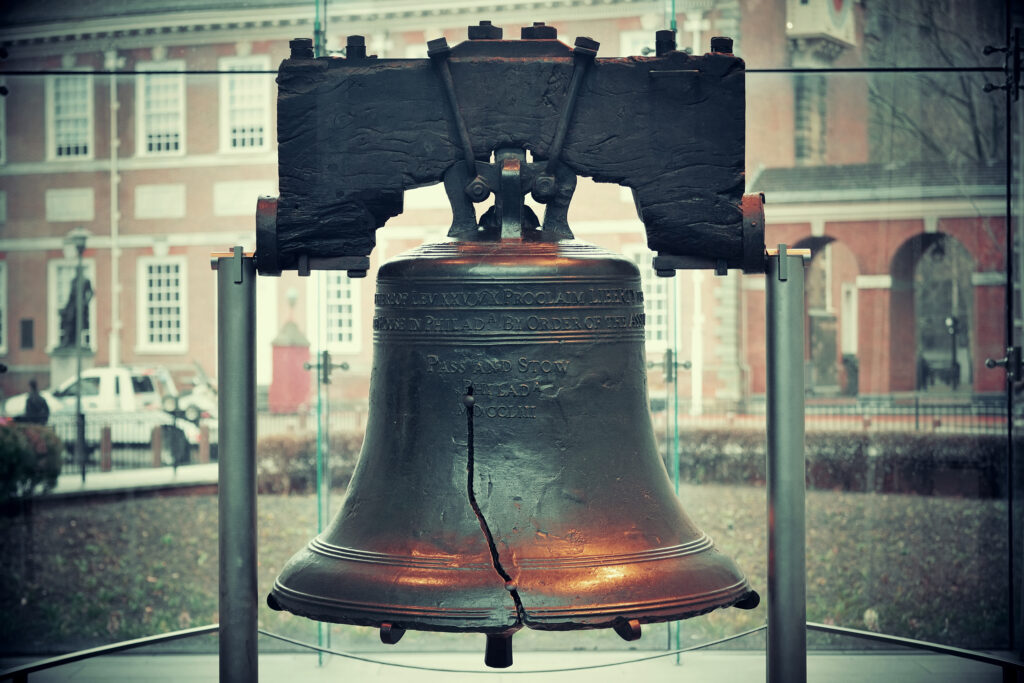
The Liberty Bell Center houses both the iconic bell and an exhibit detailing its history. It’s free and open daily, but lines can be torturous — so get there before 9 a.m. or before security closes at 4:45 p.m. for a shorter wait.
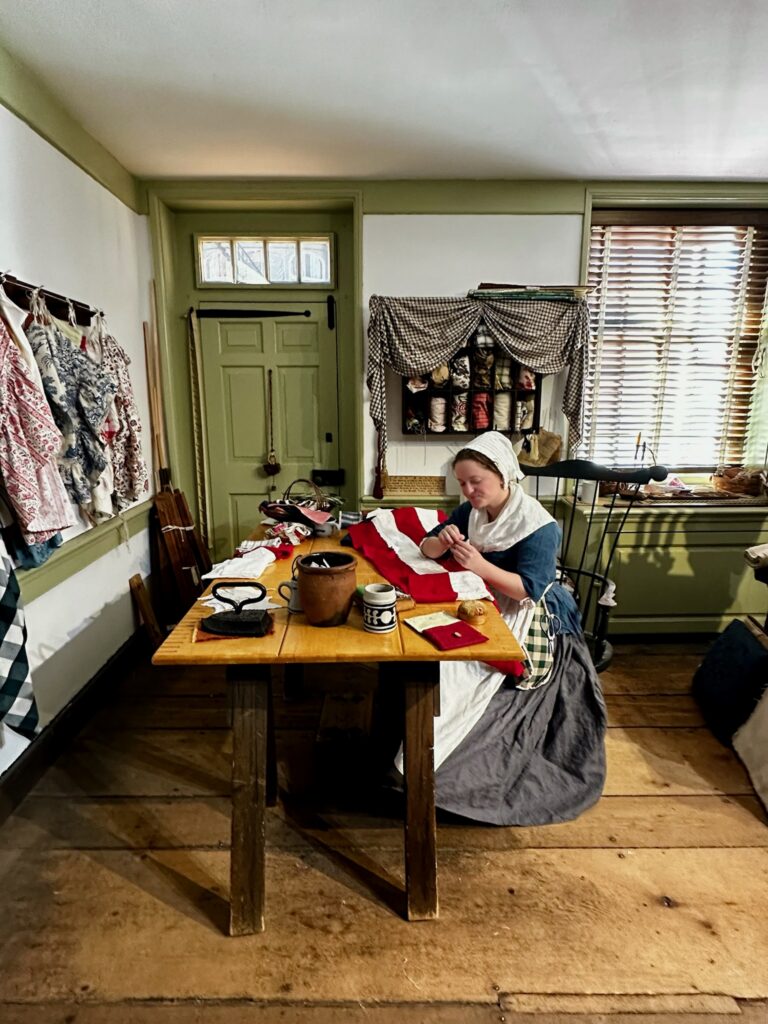
Other places to explore include the Betsy Ross House, where it’s believed the famed seamstress and flag-maker lived when she created our country’s first flag. Filled with 18th-century furnishings and interactive exhibits, visitors to the home will learn about her life and the lifestyle of revolutionary times. A Betsy Ross interpreter sews in the workshop and chats with guests; audio tours are available for adults and children.
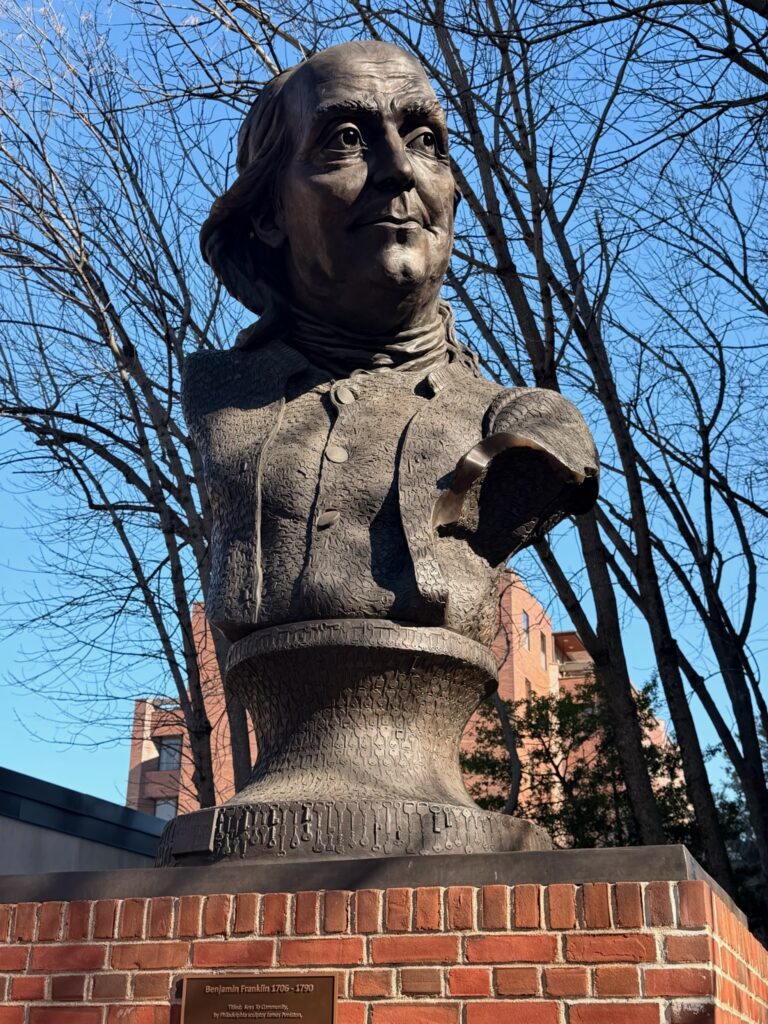
Christ Church Burial Grounds contain the graves of Benjamin Franklin and his wife, Deborah Read. Visitors often toss pennies through an iron fence onto his tombstone for luck, disregarding his famous adage: “A penny saved is a penny earned.” Paid tours include visits to the graves of four other signers of the Declaration, among others.
For a respite, visit one of the five park-like public squares from William Penn’s original 1682 design for Philadelphia. While Rittenhouse Square, Logan Circle, Washington Square and Center Square are all beautiful, Franklin Square, with its restored fountain, carousel, playgrounds, mini golf and artwork is especially lovely and popular.
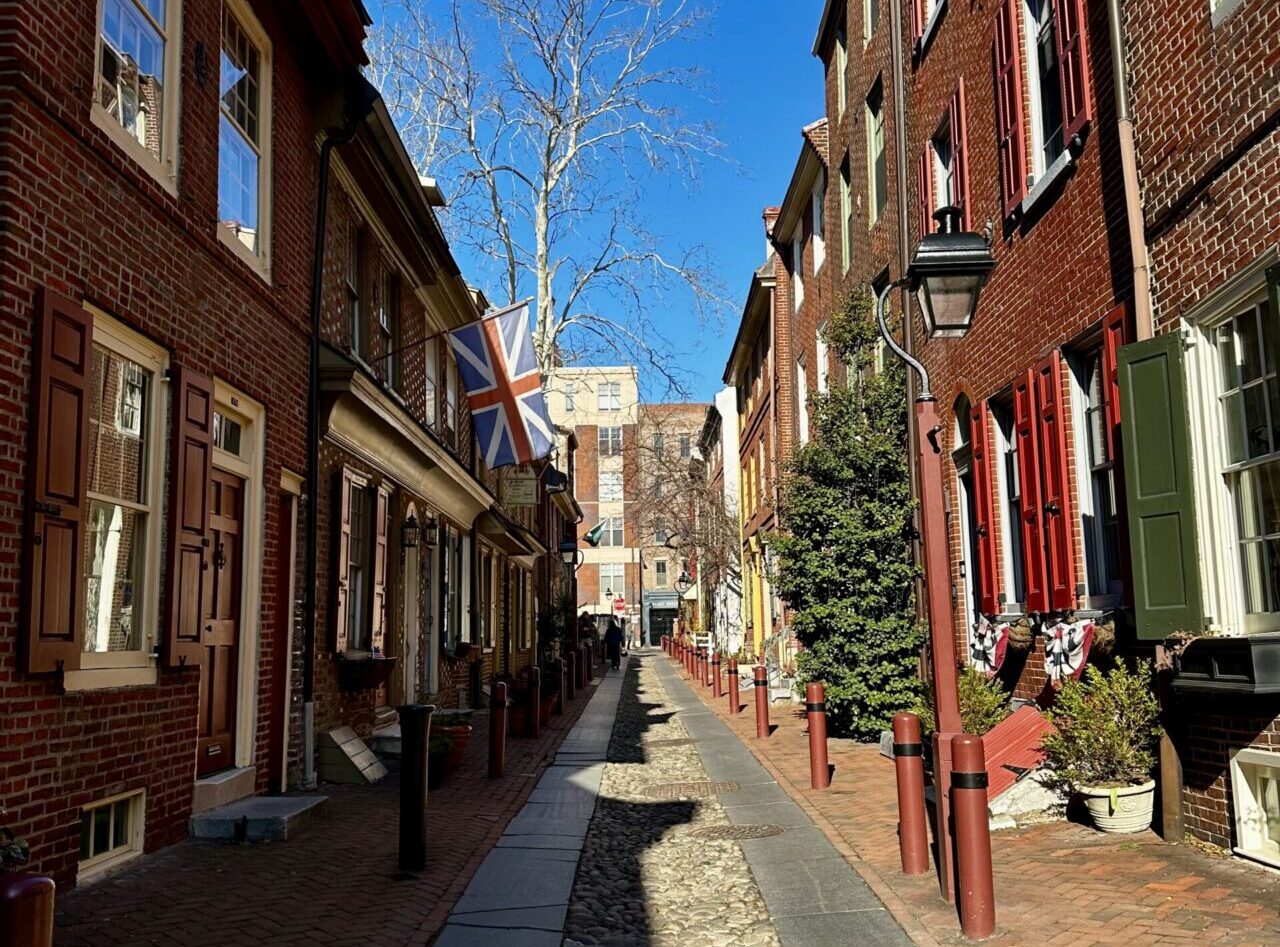
Don’t miss Elfreth’s Alley, one of America’s oldest continuously inhabited streets. The brick and cobblestoned street is lined with homes built between 1720 and 1836; its inhabitants included Dolly Madison and Betsy Ross. Franklin visited often. Today, some 60 people live in these homes, and a museum in two of them details the history.
The Museum of the American Revolution, also in Old City, has another comprehensive overview. The artifact-rich exhibits include George Washington’s sleeping tent, documents, and weapons, with immersive experiences and diverse perspectives of the Revolutionary War.
If all the history makes you hungry, visit the 133-year-old Reading Terminal Market, one of the country’s oldest and largest public markets. The 80 vendors have everything from local meats, produce and baked goods to Amish fare to famous Philly cheesesteaks, hot pretzels and cheesecakes. Don’t miss Beiler’s Bakery — Fodor’s named it one of the country’s 20 Best Dessert Spots — for its yeast-raised doughnuts and other treats, or Bassetts Ice Cream, the oldest ice cream shop in America (since 1885).
There is so much more to do and see in Philadelphia — the Franklin Institute is a wonderful science museum. The Philadelphia Museum of Art has a trove of fabulous art. And, you can run up the 72 steps of the East Entrance, just like Rocky Balboa, and flex your muscles for a photo op next to his statue — not far from the famous Robert Indiana LOVE sculpture, installed in 1976 for the nation’s bicentennial.
In a few days in the City of Brotherly Love, you can delve into the rich history of our nation’s founding. All sorts of special events, tours and programs are geared to various ages and interests. What will you explore?

Barbara Eichenlaub is a freelance writer living in Fox Chapel. She is an enthusiastic traveler and shopper, passionate about finding the best products, services and experiences available.