50 Leaders Give Their Rx for Pittsburgh Mayor Corey O’Connor, Pt. III

Editor’s Note: We asked Pittsburgh leaders to give their prescriptions for Mayor Corey O’Connor on how to build a bright future for Pittsburgh. Their answers follow.
Previously in this series: 50 Leaders Give Their Rx for Pittsburgh Mayor Corey O’Connor, Pt. II
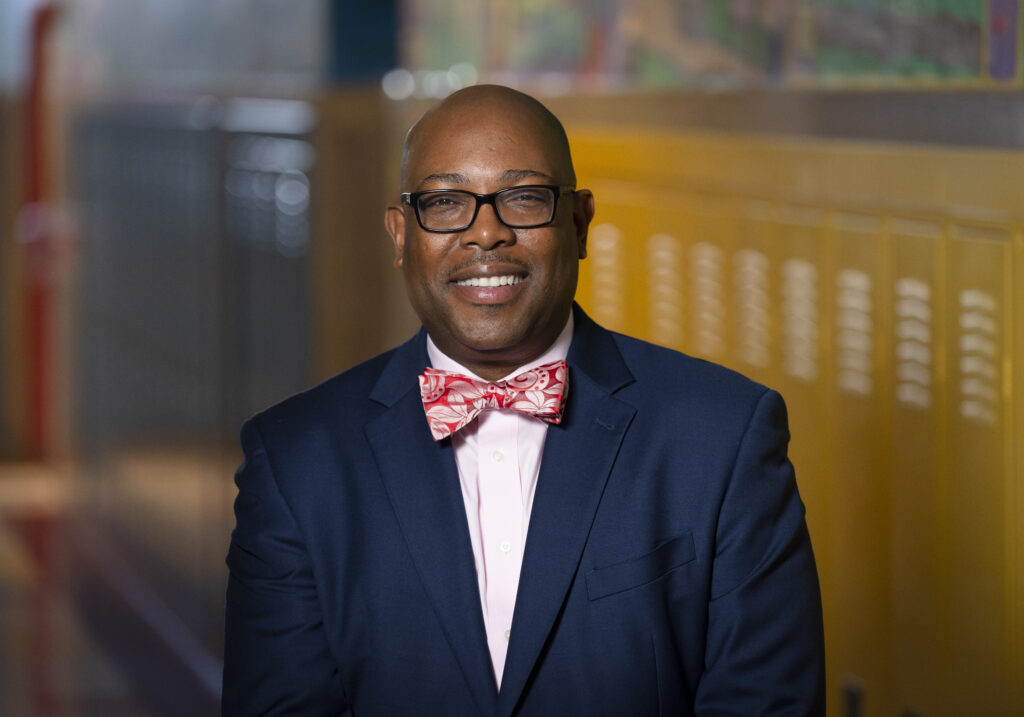
Wayne Walters, Superintendent, Pittsburgh Public Schools
As Mayor O’Connor begins his tenure, Pittsburgh’s path forward depends on how boldly we align infrastructure, innovation, and education around opportunity. The city’s success and Pittsburgh Public Schools’ success are inseparable, and sustaining the partnership must remain a top priority.
Education transforms lives, but equity is ultimately about access and opportunity during the school day and beyond it. Young people and families need safe neighborhoods, affordable housing, food security, and meaningful before- and after-school opportunities woven into the fabric of our city. Youth voices must be elevated, allowing students to help shape the civic, economic, and technological innovations that define their future.
Our Future-Ready work offers an opportunity to reimagine schools as community anchors for learning, care, and growth — places where city and district priorities intersect. Meeting this moment will require continued collaboration, shared responsibility, and thoughtful alignment of resources to address longstanding challenges and invest in sustainable solutions.
Pittsburgh’s future will be strongest when we move forward together, collectively, transparently, and with purpose so every child, family, and neighborhood can thrive.
Melia Tourangeau, President & CEO, Pittsburgh Symphony Orchestra
The Pittsburgh Symphony Orchestra is excited to collaborate with Mayor O’Connor and his administration to continue the revitalization of Downtown Pittsburgh. While symphony attendance has returned to pre-pandemic levels overall, we recognize that audience habits have shifted. Some of the most common feedback we hear from patrons reflects shared Downtown priorities: traffic management, clean streets and parking facilities, and perceptions around Downtown safety.
To address these issues, the PSO welcomes a collaboration to explore solutions that strengthen the Downtown experience, while also activating public spaces through smaller events at venues such as Arts Landing, Market Square, and the Carnegie Libraries in addition to our performances at Heinz Hall. Mayor O’Connor’s enthusiastic support for the Pittsburgh Symphony Orchestra and Pittsburgh’s arts community is evident, and we’re grateful for his leadership as we work together to bring people back Downtown and ensure it remains a vibrant cultural center.
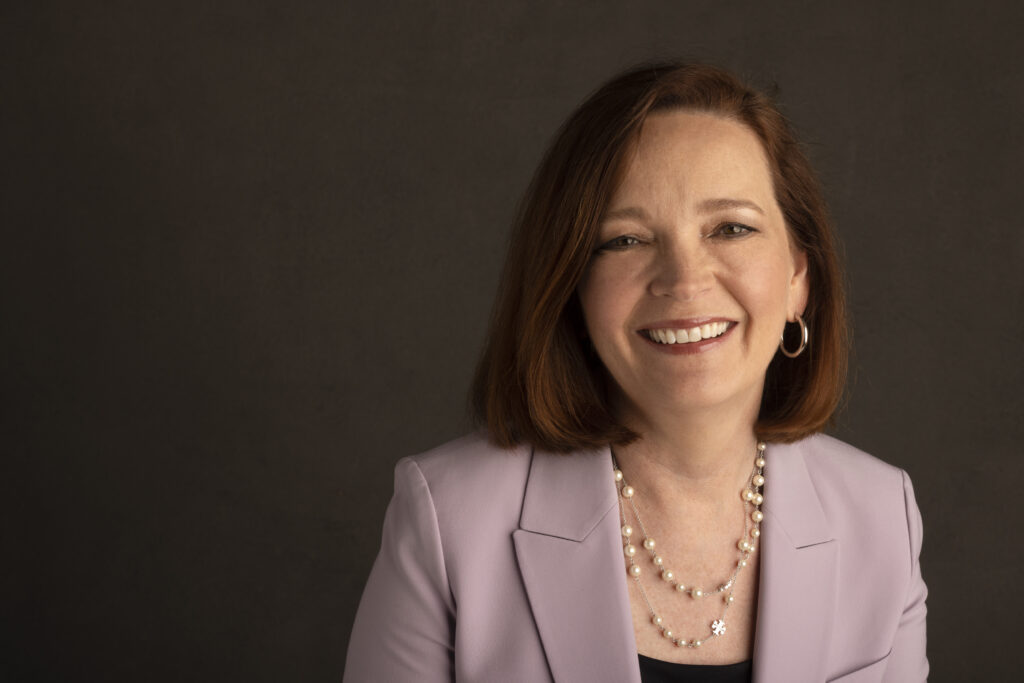
Ken Gormley, President, Duquesne University
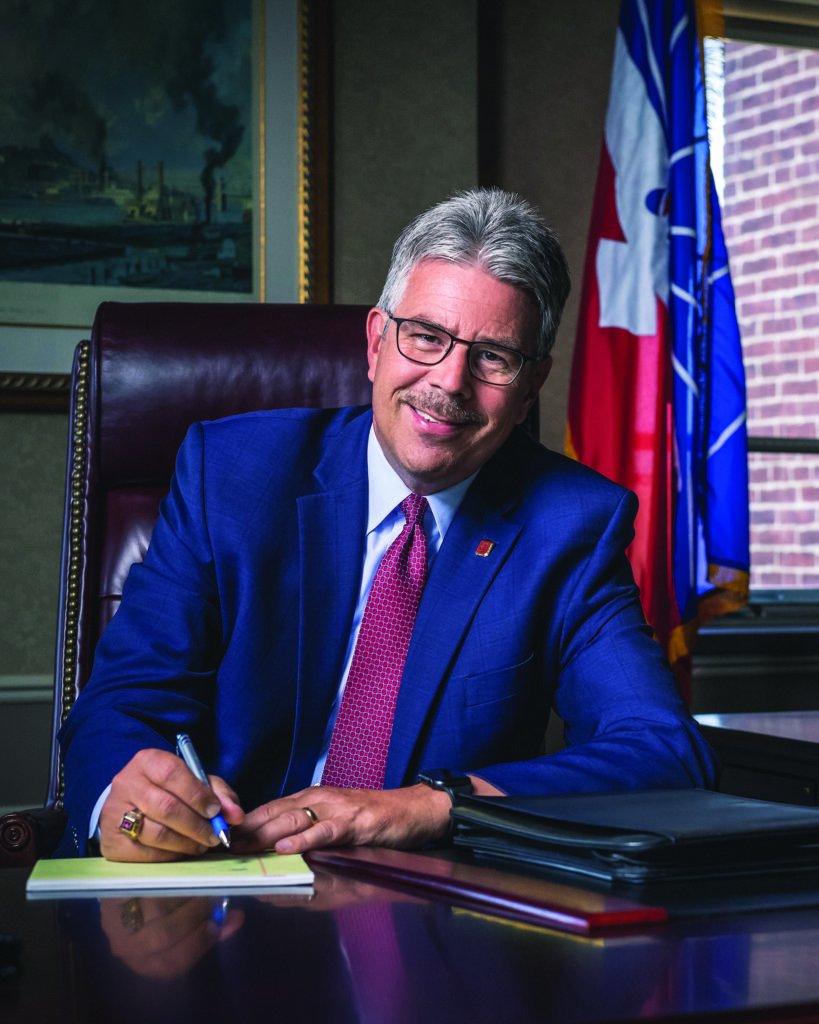
As the father of four recent college graduates, all of whom earned their degrees in Pittsburgh and decided to stay here, I believe that a top priority must be opening the gates of opportunity for the next generation of Pittsburghers. At Duquesne’s winter 2025 commencement, Mayor O’Connor spoke eloquently about the importance of attracting young people whose ideas and contributions will help build our city and region. One key ingredient is our world-class universities — including Duquesne, where I’m privileged to serve as president. These wonderful institutions produce graduates who are ready to start their own careers, families and lives here. It will take collaboration among our universities, our business community, our foundations and cultural organizations, as well as local government, to open up doors for them. Mayor O’Connor’s success depends on leveraging the innovative energy coming out of our universities to help keep Pittsburgh the vital and special place we know it is.
Merrill Stabile, CEO, Alco Parking
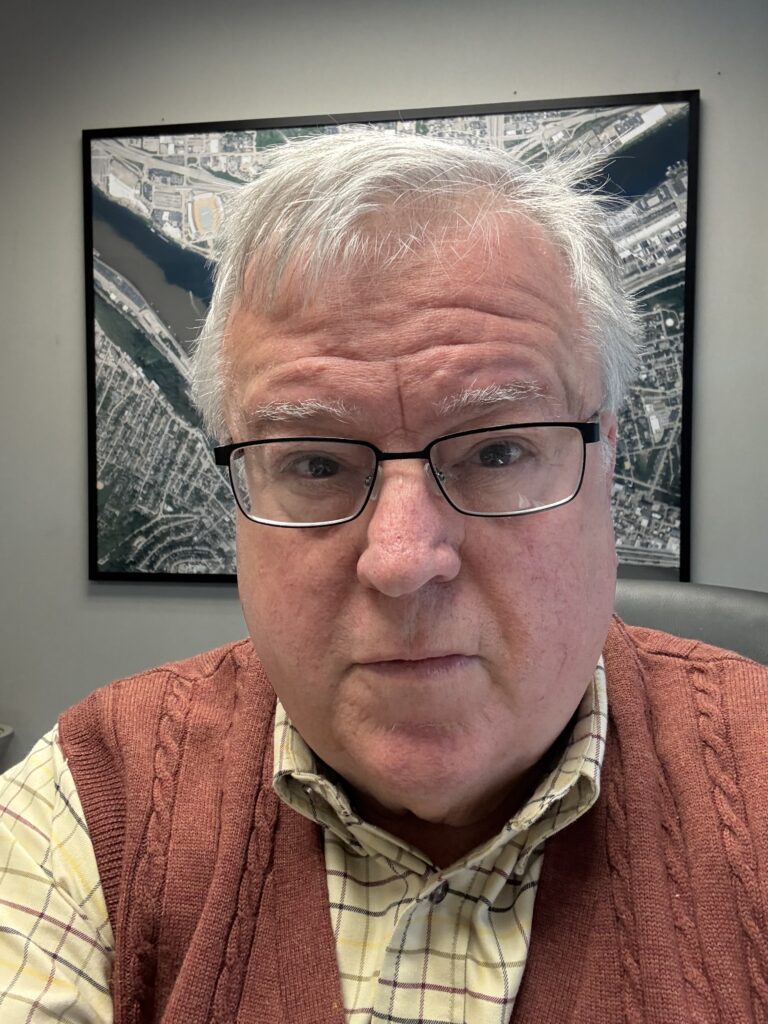
Start with the basics, which are keeping the city clean and safe! Increase the police force to the size it was pre-Covid and adjust police salaries to levels comparable to other municipalities throughout the state. The Pittsburgh Bureau of Police officers should make at least as much as Allegheny County Police.
Maintain a strong relationship with the Pittsburgh Downtown Partnership, as this collaboration will continue to make this city cleaner and more presentable.
Grow the tax base by streamlining the permitting process and creating an atmosphere where developers (and their lenders) are encouraged and incentivized.
The city, which is the largest owner of vacant residential properties (as many as 13,000), should sell these properties to qualified individuals (not corporations) for $1 each, provided that each buyer improves and lives in them for five years.
None of these objectives can be accomplished without a strong alliance with the hospitals, universities, local foundations, and the business community.
Kathy Humphrey, President, Carlow University
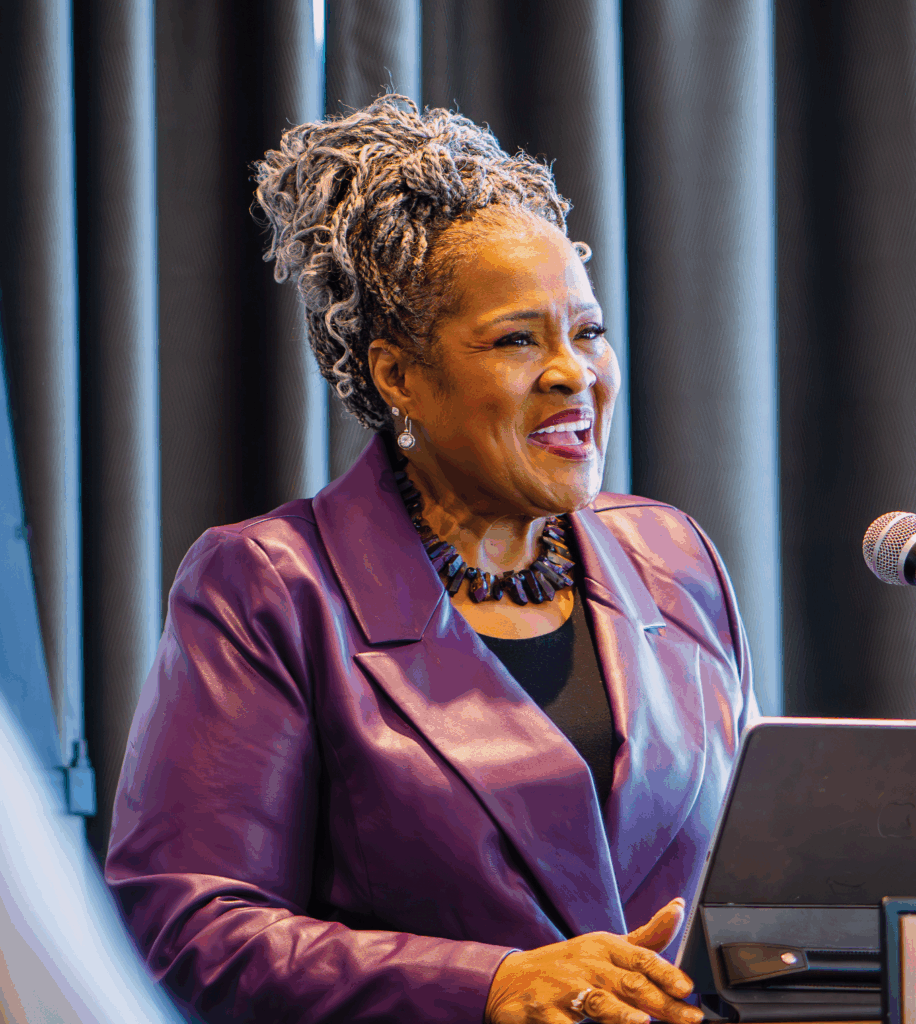
While addressing Pittsburgh’s fiscal challenges, making it easier to do business, and expanding access to affordable housing are among the city’s most pressing priorities, these efforts cannot stand alone. To truly advance Pittsburgh’s future, I encourage our new mayor also to confront the challenge of population decline. One of the city’s greatest untapped assets is its university community. Each year, tens of thousands of students come to Pittsburgh to study at world-class institutions, yet too many leave after graduation. The city should pursue intentional strategies to retain these young professionals by expanding career opportunities, supporting entrepreneurship, ensuring affordable and vibrant neighborhoods, and fostering a welcoming environment where graduates can envision building their lives. By capturing even a modest share of these students as long-term residents, Pittsburgh can strengthen its workforce, broaden its tax base, and support sustainable economic growth — helping to create a city that is financially resilient, competitive, and prepared for the future.
Jeff Nobers, Executive Director, Pittsburgh Works Together
No matter what challenge you want to address — affordable housing, improved education, accessible health care — you need a robust economy to create the resources to do so. Mayor O’Connor understands that, and he has focused his early efforts on the two things needed to pull the city of Pittsburgh out of its doldrums: making the city more attractive for businesses investment and more attractive for families to put down roots. Being more business-friendly does not mean cutting corners or sacrificing safety for corporate profits. It means cutting red tape and expecting the bureaucracy to work diligently and creatively to find ways to say “yes” to entrepreneurs and businesses who want to create jobs and economic opportunities for our residents.
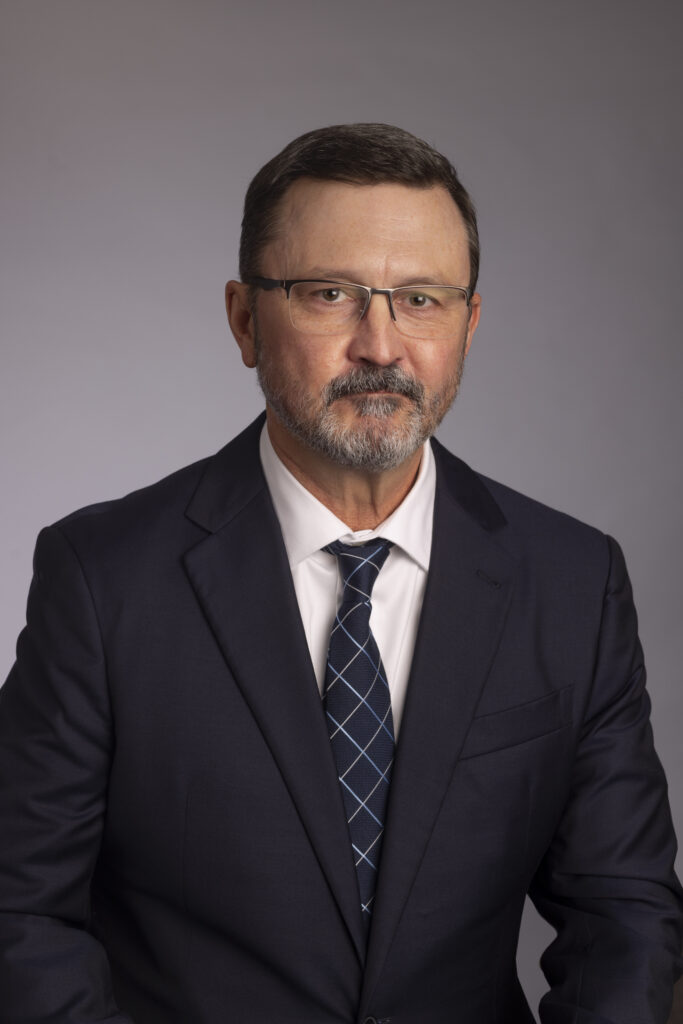
Steve Suroviec, President & CEO, The Achieva Family of Organizations
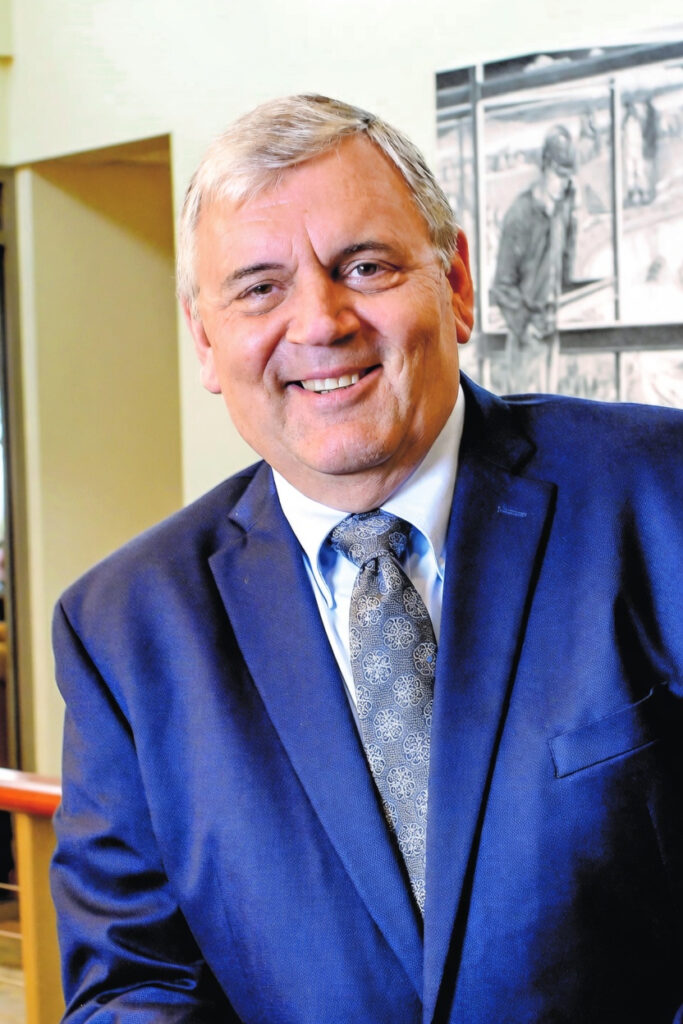
A strong city is one where everyone has the opportunity to work, earn, and contribute — and so employment for people with disabilities is very important. People with disabilities represent a talented and motivated (yet underutilized) cohort of the workforce. Ensuring access to meaningful employment strengthens the city’s economy while fostering dignity, independence, and purpose. City governments can lead by example through hiring, internships, and partnerships with private-sector businesses, nonprofits, and universities to expand pathways to work. Achieva envisions a community where all people with disabilities lead lives of personal significance. When barriers to employment are removed, people with disabilities will thrive — and so will the city. We offer employment services for people with disabilities, including customized job development and job coaching, as well as services for employers, helping them find, hire and onboard qualified talent with disabilities. Achieva would be proud to partner with the city to advance disability employment goals

Questions or corrections? Contact us at web@pittsburghquarterly.com.